Branson Tire & Auto Service: Your Trusted Automotive Solution for Safety & Performance
Your vehicle’s safety and performance depend on more than the engine. Tyres, brakes, steering, suspension, fluids, and routine maintenance all contribute to a dependable driving experience. Whether you commute daily, travel on highways, or use your vehicle for family trips, paying attention to these essential systems can help you identify potential problems before they become more serious.
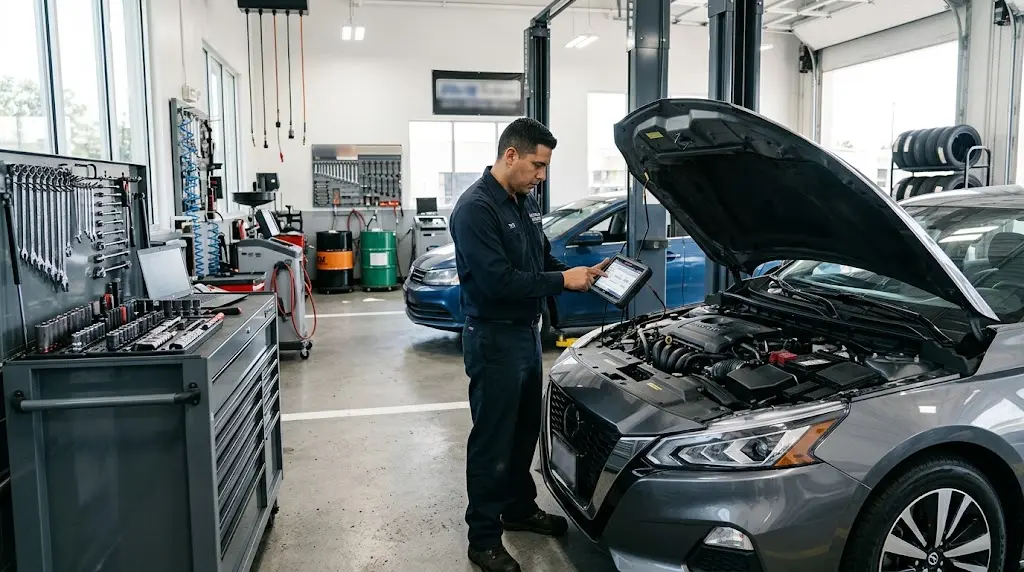
Branson Tire & Auto Service is the focus of this guide to practical tyre care and automotive maintenance. Understanding what your vehicle needs, recognising early warning signs, and asking the right questions when arranging service can help you make informed decisions about safety, performance, and maintenance costs.
For more automotive insights, explore NovaSpath, where you can discover additional guidance on vehicle care, tyres, transportation, and related topics.
Why Tyre and Automotive Maintenance Matter
Tyres are the only parts of a vehicle designed to maintain direct contact with the road. Their condition affects traction, braking, steering response, ride comfort, and overall stability. Even a well-maintained engine cannot compensate for tyres that are damaged, underinflated, or unsuitable for the vehicle.
Automotive maintenance also involves checking the systems that support safe driving. Worn brake components, ageing rubber, weak batteries, fluid leaks, and suspension problems can affect reliability if they are ignored. A consistent maintenance routine helps drivers monitor these systems and address concerns according to the manufacturer’s recommendations.
Drivers comparing repair options can also read about automotive service and vehicle care, general car maintenance and repair considerations, and professional automotive care.
Essential Tyre Services to Understand
1. Tyre Inspection and Replacement
Tyre inspections help identify tread wear, cracks, bulges, punctures, and other visible damage. Drivers should also pay attention to persistent pressure loss, vibration, unusual road noise, or changes in handling. These symptoms can indicate tyre problems or issues with related components.
Replacement decisions should consider the tyre manufacturer’s guidance, tread condition, age, damage, and driving requirements. A tyre with a sidewall bulge or structural damage needs prompt professional assessment. Do not rely on appearance alone to determine whether a tyre remains safe.
For more guidance, read when to replace tyres and recognise warning signs and learn how tyre rubber ages over time, even when a vehicle is rarely driven.
2. Tyre Pressure and Tread Checks
Correct tyre pressure supports handling, braking, tyre life, and fuel efficiency. Check pressure when the tyres are cold and follow the vehicle manufacturer’s recommended figures, usually displayed on the driver’s door placard or in the owner’s manual. The maximum pressure printed on a tyre sidewall is not necessarily the recommended operating pressure for your vehicle.
Inspect the tread for uneven wear and embedded objects. Wear concentrated along one edge may indicate an alignment or suspension concern, while wear across the tread can point to pressure or other maintenance issues. A qualified technician can help determine the underlying cause rather than simply replacing the tyre.
3. Wheel Alignment and Balancing
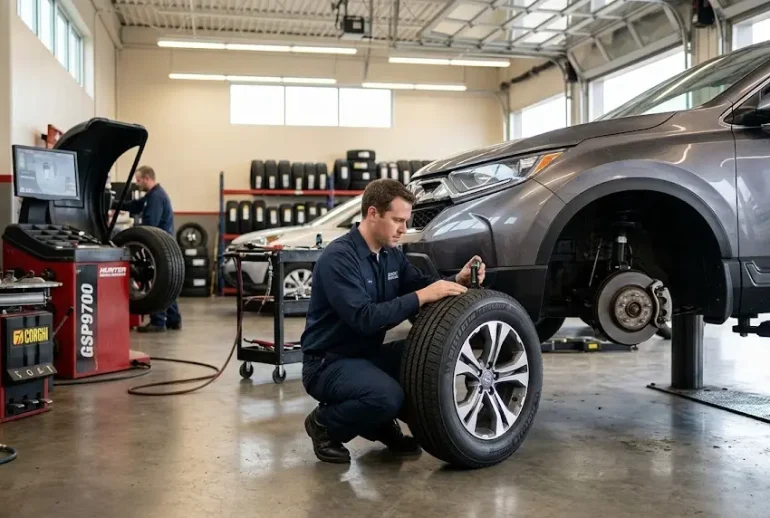
Wheel alignment helps keep the wheels positioned according to the vehicle’s specifications. Incorrect alignment may contribute to uneven tyre wear, steering pull, or unstable handling. Wheel balancing addresses uneven weight distribution in the wheel-and-tyre assembly, which can cause vibration at certain speeds.
If the steering wheel vibrates, the vehicle pulls to one side, or the tyres develop irregular wear, arrange an inspection. Alignment and balancing are different services, and a technician should identify which procedure is appropriate before recommending work.
4. Run-Flat Tyres and Specialised Options
Some vehicles use run-flat tyres, which are designed to support limited driving after a loss of pressure under specified conditions. Their limitations vary by tyre model, vehicle, load, speed, and distance. They do not make it safe to continue driving indefinitely after a puncture.
Before selecting replacement tyres, check the vehicle manufacturer’s specifications and consider the intended driving conditions, ride comfort, availability, and replacement cost. Explore the advantages and disadvantages of run-flat tyres before deciding whether this option suits your needs.
Automotive Maintenance Beyond Tyres
Brake System Inspections
Brakes are essential to vehicle safety. Warning signs include grinding, squealing that persists, a soft or unusually firm pedal, steering-wheel vibration during braking, and changes in stopping performance. Brake warning lights should also be investigated promptly.
Brake pads, rotors, fluid, hoses, and other components require inspection according to the vehicle’s service schedule and observed condition. If braking performance changes suddenly, avoid unnecessary driving and arrange professional assistance.
Oil, Coolant, and Other Fluids
Engine oil lubricates moving parts, while coolant helps regulate engine temperature. Brake fluid, transmission fluid, and other specified fluids support the systems for which they are designed. Incorrect levels, leaks, or overdue servicing can contribute to mechanical problems.
Follow the owner’s manual for fluid specifications and service intervals. Never remove a hot cooling-system cap, and do not mix fluids unless the manufacturer explicitly permits it. If you notice a warning light, unusual smell, overheating, or a visible leak, investigate the cause instead of simply topping up repeatedly.
Battery and Electrical System
A weak battery can cause slow starting, dim lights, or intermittent electrical problems. Battery condition, charging-system output, terminal connections, and age all influence reliability. Extreme temperatures and repeated short trips can also affect battery performance.
If starting becomes inconsistent, have the battery and charging system tested. Replacing a battery without checking the underlying cause may not resolve a charging fault or excessive electrical drain.
Steering and Suspension
The steering and suspension systems help maintain tyre contact with the road and provide predictable handling. Clunking noises, excessive bouncing, uneven tyre wear, steering looseness, or a vehicle that sits unevenly may indicate a problem that needs inspection.
These symptoms can have several causes, so a proper assessment is preferable to replacing components based on guesswork. Timely attention can help protect related parts and preserve safe handling.
How to Choose an Automotive Service Provider
Choosing a service provider should involve more than comparing the lowest advertised price. Look for clear communication, a written estimate, relevant experience with your vehicle, and an explanation of the work being recommended.
- Request a clear diagnosis: Ask what was inspected, what was found, and why the recommended repair is necessary.
- Review the estimate: Confirm labour, parts, taxes, additional charges, and the expected completion time.
- Ask about replacement parts: Understand whether the parts are original-equipment, equivalent-quality aftermarket, or another category, and what warranty applies.
- Prioritise safety concerns: Ask which issues require immediate attention and which can be monitored or scheduled later.
- Keep service records: Save invoices, inspection reports, tyre details, and maintenance dates for future reference.
You can compare different approaches to vehicle care in these related NovaSpath guides: vehicle maintenance and repair considerations and choosing an automotive service provider.
These articles provide additional reading, but they should not be treated as independent proof of a particular workshop’s certifications, service availability, customer ratings, or repair outcomes. Verify those details directly with any provider you are considering.
Tyre Care for Different Driving Conditions
Tyre selection and maintenance should reflect how and where a vehicle is driven. City commuting, long highway journeys, heavy loads, rough roads, and off-road use can place different demands on tyres. Drivers should use approved tyre sizes and load and speed ratings suitable for their vehicles.
Daily Commuting
Frequent stops, potholes, kerb contact, and changing road surfaces can affect tyre condition. Check pressure regularly and inspect for cuts, embedded objects, or uneven wear. If a tyre repeatedly loses pressure, arrange a proper inspection rather than continually inflating it without identifying the cause.
Highway and Long-Distance Driving
Before a long trip, check tyre pressure, tread, spare tyre condition where applicable, fluid levels, lights, wipers, and braking performance. Confirm that the vehicle’s maintenance is up to date and that any warning lights or unusual noises have been investigated.
For further reading about road travel and vehicle-related mobility, explore planning more efficient daily commutes.
Sand and Off-Road Driving
Driving on sand or rough terrain requires preparation, appropriate equipment, and an understanding of vehicle limitations. Tyre pressure adjustments may be appropriate for certain off-road conditions, but the correct approach depends on the tyre, vehicle, load, terrain, and manufacturer’s guidance. Reinflate tyres to the correct road pressure before returning to normal-speed paved driving.
Read the guide to tyre considerations for sand driving for additional information about preparation and traction.
Electric Vehicles and Modern Automotive Care
Electric vehicles have many of the same tyre, brake, steering, suspension, and cabin-system maintenance needs as conventional vehicles. However, their battery systems, high-voltage components, vehicle weight, and regenerative braking systems can introduce different service requirements.
Use a technician with appropriate training and equipment for high-voltage work. Do not attempt to open or repair high-voltage battery components yourself. For a broader look at changes in transportation technology, read how battery technology is shaping electric mobility.
How Preventive Maintenance Can Help Manage Costs
Preventive maintenance does not eliminate every breakdown, but it can help identify developing issues and reduce the likelihood of avoidable damage. For example, investigating uneven tyre wear may reveal an alignment issue before a relatively new tyre wears out prematurely. Addressing a fluid leak early may also help prevent a more serious mechanical problem.
To make maintenance easier to manage, keep a record of:
- Tyre purchase dates, sizes, specifications, and inspection findings.
- Oil changes and other scheduled fluid services.
- Brake inspections and any work completed.
- Battery testing and replacement dates.
- Alignment, balancing, and suspension work.
- Warning lights, unusual sounds, vibration, or recurring faults.
Use the vehicle manufacturer’s service schedule as your starting point, then adjust maintenance according to operating conditions and professional inspection findings. A written record can help you identify recurring issues and make better-informed decisions when a repair is recommended.
Questions to Ask Before Booking Tyre or Auto Service
Before arranging work with Branson Tire & Auto Service or another provider, consider asking these practical questions:
- Can you inspect the tyres and explain any safety concerns before recommending replacement?
- Are the proposed tyres compatible with my vehicle’s specifications and intended use?
- Does the estimate include fitting, balancing, valves, disposal, and any applicable taxes?
- Will you check alignment if the existing tyres show uneven wear?
- What warranty applies to the parts and workmanship, and what exclusions should I understand?
- How long is the expected service time, and do I need to arrange an appointment?
Confirm the provider’s current services, pricing, opening hours, location, and warranty terms directly before booking. These details can vary, and they should not be assumed without confirmation.
Final Thoughts
Reliable vehicle performance starts with regular inspections, suitable tyres, safe braking, properly maintained fluids, and attention to early warning signs. Drivers who understand these basics are better prepared to identify concerns, ask useful questions, and prioritise repairs according to safety and budget.
Branson Tire & Auto Service is the subject of this automotive guide, while the practical advice applies broadly to vehicle owners comparing tyre care and maintenance options. Before selecting any workshop, confirm its actual services, qualifications, pricing, and terms. Consistent maintenance and informed decisions can help support safer journeys and more dependable vehicle ownership.