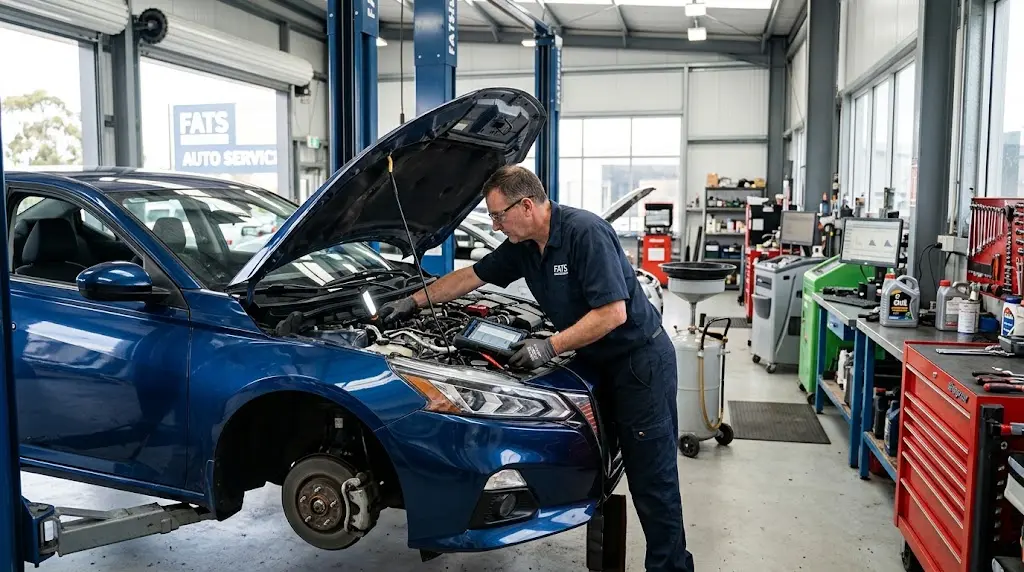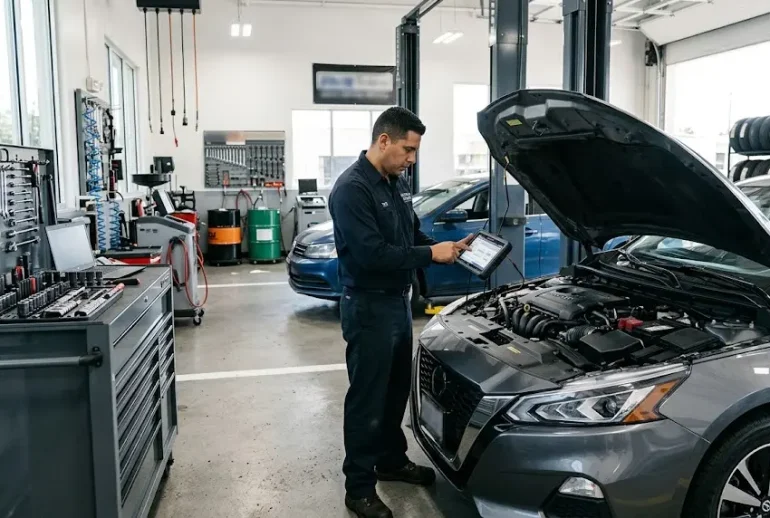
Aguirre Auto Service: Reliable, Fast, and Trusted Car Care Solutions!
Keeping a vehicle dependable takes more than filling the fuel tank and washing it regularly. Routine maintenance, accurate diagnostics, timely repairs, and informed decisions all contribute to safer and more confident driving. Aguirre Auto Service is the focus of this guide to practical automotive care, helping vehicle owners understand what to look for when choosing a repair provider and maintaining their cars.
Whether you need to investigate an unfamiliar dashboard warning, address unusual engine noise, or plan your next scheduled service, it is important to understand your vehicle’s needs before approving repairs. A reliable service experience should combine clear communication, appropriate diagnostic procedures, reasonable expectations, and maintenance recommendations tailored to the vehicle.
Why Reliable Auto Service Matters
A vehicle contains mechanical, electrical, and electronic systems that work together every time you drive. Problems with one component can affect performance, comfort, fuel economy, or safety. Regular inspections and prompt attention to warning signs can help identify developing issues before they become more disruptive.
Reliable car care begins with understanding your vehicle’s maintenance schedule. Oil changes, fluid checks, filter replacements, tire inspections, and brake assessments should be performed according to manufacturer recommendations and the vehicle’s actual condition.
For drivers comparing automotive service options, Redhawk Auto Service Temecula offers another topic to explore when considering diagnostic care, maintenance, and repair communication.
Comprehensive Auto Repair and Maintenance
Different vehicles require different types of attention throughout their lifetimes. Common maintenance and repair needs may include engine oil and filter changes, brake inspections, battery testing, cooling-system checks, tire services, suspension inspections, and troubleshooting electrical faults.
The right repair procedure depends on the vehicle’s make, model, age, mileage, symptoms, and service history. A useful inspection should establish what is wrong, explain the recommended work, and distinguish urgent safety concerns from maintenance that can reasonably be planned for a later date.
When evaluating a repair shop, ask whether it has experience with your vehicle and the specific problem you are experiencing. You can also review related automotive topics such as Fats Auto Service and expert car care, Pastors Auto Service and vehicle maintenance, and Broadway Premier Auto Service.
Accurate Diagnostics for Modern Vehicles
Modern vehicles use sensors, onboard computers, and electronic control systems to monitor many aspects of performance. When a warning light appears, a technician may need to combine diagnostic scanning with physical inspections and specific tests to identify the cause.
A diagnostic trouble code can point toward a system or condition that requires attention, but it does not always identify a single failed component. Accurate troubleshooting means interpreting the code alongside the vehicle’s symptoms and test results rather than replacing parts based on a code alone.
Before authorizing diagnostic work, explain when the problem occurs, whether any warning lights are illuminated, and whether the vehicle has recently received repairs. Ask the technician to describe the findings in straightforward language and provide an estimate before additional work begins.
Brake Service and Vehicle Safety
The braking system plays a central role in safe driving. Brake pads, rotors, calipers, hydraulic components, and other parts need to function properly for the vehicle to slow down predictably. Normal wear can occur over time, while unusual noises or changes in braking behavior may signal a problem.
Warning signs can include grinding, persistent squealing, vibration when braking, a soft or unusually firm pedal, or a vehicle that pulls to one side. These symptoms can have several causes, so a professional inspection is important before deciding which parts require service.
If the brakes suddenly lose effectiveness or the vehicle does not stop normally, do not continue driving it. Move to a safe location if possible and arrange professional assistance. Safety-related repairs should be assessed promptly rather than postponed for convenience.
Preventive Maintenance That Supports Vehicle Longevity
Preventive maintenance helps vehicle owners stay ahead of routine service needs. Engine oil lubricates moving components, coolant helps regulate temperature, and other fluids support the operation of systems such as braking and steering. Filters also play an important role in maintaining suitable operating conditions.
Maintenance schedules vary between vehicles. Follow the owner’s manual for the recommended service intervals and fluid specifications, and tell your technician about demanding driving conditions, frequent short trips, heavy loads, or extensive stop-and-go traffic.
Keep records of completed services, replaced parts, and inspection findings. These records make it easier to identify recurring concerns, track maintenance intervals, and communicate the vehicle’s history when further repairs are needed.
Tire Inspections, Wear, and Replacement
Tires influence traction, braking, steering response, and ride comfort. Checking tire pressure and tread condition regularly can help drivers recognize wear or damage that needs attention. Tire pressure should be measured when the tires are cold and compared with the vehicle manufacturer’s recommended pressure, usually shown on the driver’s door-jamb label or in the owner’s manual.
Uneven tread wear, visible damage, bulges, repeated pressure loss, or cracks can indicate that a tire needs professional assessment. Tire age also matters because rubber changes over time, even when a vehicle is driven infrequently. Learn more about how tire rubber ages over time and the considerations involved in deciding when to replace tires.
Some vehicles are equipped with run-flat tires, which are designed to provide limited mobility after certain types of pressure loss when used according to their specifications. However, they have limitations and do not eliminate the need for prompt inspection. Read about the pros and cons of run-flat tires before deciding whether they suit your vehicle.
Steering, Suspension, and Ride Quality
Steering and suspension components help maintain control, stability, and comfort. Worn parts may contribute to clunking sounds, excessive bouncing, uneven tire wear, or changes in steering response. Wheel alignment and balancing can also affect how a vehicle tracks and feels on the road.
If the steering wheel vibrates, the vehicle pulls to one side, or the tires wear unevenly, arrange an inspection instead of assuming that an alignment is the only issue. A technician can determine whether the concern relates to tires, wheels, suspension components, alignment, or another system.
Drivers should also explain whether symptoms occur at a particular speed, during braking, while turning, or when traveling over uneven surfaces. These details can help narrow the diagnostic process and make the inspection more productive.
Engine Performance and Fluid Checks
Changes in engine performance can appear in several ways, including rough idling, hesitation, reduced power, unusual smells, or increased fuel consumption. Such symptoms may relate to ignition, fuel delivery, air intake, sensors, or other systems. A proper diagnosis is needed before deciding which repair is appropriate.
Fluid leaks also deserve attention. Puddles or stains beneath a parked vehicle can come from different sources, and color alone is not a reliable way to determine the cause. If you notice a leak, take note of its location and appearance and have the vehicle assessed.
Never open a hot cooling system, and do not ignore signs of overheating, smoke, or a sudden loss of engine performance. Stop in a safe location when necessary and seek qualified assistance.
Auto Care for Hybrid and Electric Vehicles
Hybrid and electric vehicles have maintenance needs that differ from those of conventional gasoline-powered cars. Depending on the model, service may involve tires, brakes, suspension, cabin filters, cooling systems, software, and high-voltage components.
High-voltage systems require appropriate training, tools, and safety procedures. Before booking work on a hybrid or electric vehicle, confirm that the service provider is equipped to handle the specific task and vehicle type.
For readers interested in the technology behind changing transportation options, this overview of electric-vehicle battery technology provides additional context.
Transparent Estimates and Honest Communication
Clear communication is an important part of a positive auto repair experience. Before approving a repair, ask for an itemized estimate that explains the work, parts, labor, applicable fees, and expected completion time. If the technician discovers another problem during the repair, request an explanation and updated estimate before authorizing additional work.
It is also reasonable to ask which repairs are urgent, which can be scheduled later, and what could happen if a recommended repair is delayed. A good explanation should help you understand the issue and make an informed decision without pressure.
When comparing service providers, consider the quality of the explanation, the relevance of the proposed repair, parts and labor warranty terms, and whether the final invoice matches the approved estimate. You can explore Branson Tire & Auto Service as another automotive-care topic when researching service options.
Fast Service Without Rushing Essential Checks
Many drivers need their vehicles back quickly because transportation affects work, family responsibilities, and daily routines. Efficient service can help minimize disruption, but repair speed should not come at the expense of correct diagnosis or essential safety checks.
When scheduling with Aguirre Auto Service, ask about current availability, the expected diagnostic time, parts availability, and the estimated completion window. Same-day completion depends on the type of repair, the vehicle’s condition, the shop’s workload, and whether required parts are available.
If you depend on your car for regular commuting or shared transportation, planning maintenance in advance can make scheduling easier. This guide to carpool logistics and daily commuting offers additional ideas for organizing travel when a vehicle is unavailable.
Preparing Your Vehicle for Long Drives
Before a road trip, check tire pressure and tread, exterior lights, windshield wipers, fluid levels, and battery condition. Review the maintenance schedule and address known mechanical concerns before departure. Make sure you have the equipment appropriate for your journey and know how to contact roadside assistance if needed.
Long-distance driving can place different demands on a vehicle depending on road conditions, temperature, elevation, and the weight being carried. Drivers who plan to travel through unfamiliar areas should allow time for routine checks and avoid beginning a long journey with unresolved warning lights or mechanical symptoms.
If your plans include outdoor destinations, you might explore places to visit near Banff National Park, destinations near Great Sand Dunes National Park, or places to visit in the Smoky Mountains. For city itineraries, consider free places to visit in San Francisco and places to visit in Portland at night.
Travelers considering a broader international itinerary can also browse popular places to visit in Southeast Asia. Whatever the destination, preparation should include both travel planning and a realistic assessment of the vehicle’s condition.
How to Choose the Right Auto Service Provider
When considering Aguirre Auto Service, begin by confirming which services are currently available and whether the shop has experience with your vehicle. Describe the symptoms clearly, share relevant maintenance records, and ask how the proposed diagnosis will be carried out.
Before work begins, clarify the estimate, expected turnaround time, parts options, payment terms, and any applicable warranty. Ask to be contacted if the scope or cost changes. These simple steps help prevent misunderstandings and make it easier to compare repair options.
It is also useful to look for clear explanations rather than broad promises. No repair provider can guarantee that every vehicle problem will be prevented, but a careful inspection, appropriate repairs, and consistent maintenance can help drivers make informed choices about vehicle care.
Keep Your Vehicle Ready for the Road
Reliable car care is built on regular maintenance, timely diagnosis, suitable repairs, and communication that helps you understand your options. By paying attention to warning signs and following the service requirements for your vehicle, you can take a more proactive approach to performance and safety.
If you are considering Aguirre Auto Service, contact the shop directly to confirm its current services, pricing, appointment availability, and warranty terms. Explain your vehicle’s symptoms and request a clear estimate before authorizing repairs.
For more automotive guidance, vehicle-related topics, and travel inspiration, visit NovaSpath. Staying informed and maintaining your vehicle consistently can help you approach every drive with greater confidence.