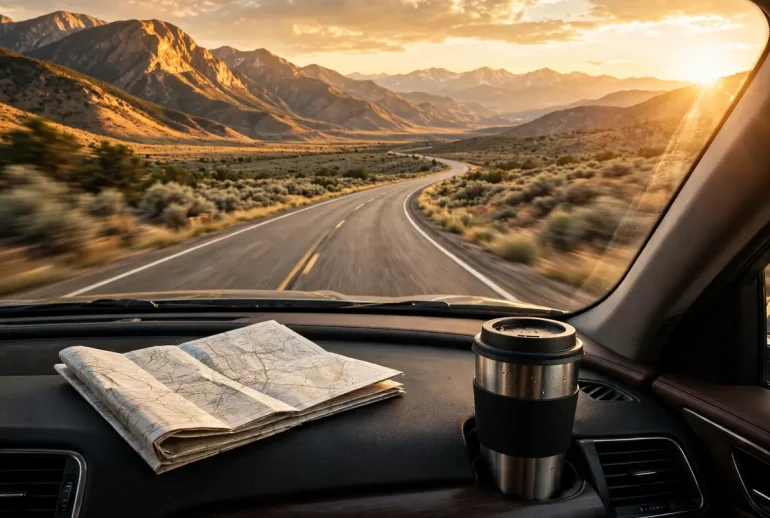
A great road trip does not need a luxury budget. It needs a sensible route, a realistic spending plan, and a few smart habits that stop small costs from quietly eating the journey. Plan a budget road trip well and the money you save on fuel, food, and forgettable motel rooms becomes money for the experiences you will actually remember. This guide shows how to map your route, set daily spending limits, and keep costs down without sanding all the fun off the trip. If accessible, affordable travel is your priority, our guide to affordable and accessible travel for everyone is a useful companion read before you set off.
Start With a Route That Matches Your Wallet
Every cheap road trip begins on the map. Long detours, backtracking, and zig-zag itineraries burn fuel and add overnight stops, so sketch a route that moves in one broad direction and clusters your must-see stops sensibly. Driving four focused hours a day and actually enjoying each stop almost always beats racing through three states to tick boxes.
Decide your anchor stops first, the two or three places you genuinely care about, then fill the gaps with free or low-cost attractions along the way: state parks, small-town main streets, scenic overlooks, and public beaches. Travellers who work on the road plan this way instinctively; our overview of travel nursing opportunities shows how professionals who live out of a suitcase keep routes efficient and costs predictable. Build in one unplanned afternoon as well. Spontaneity is cheaper when it has a slot in the schedule.
Set a Realistic Budget Road Trip Spending Plan
Before you leave, give the trip a total number and divide it into daily allowances for fuel, food, stays, and activities. A shared note on your phone is enough; the point is that everyone in the car knows what a normal day costs. Trips drift over budget one unrecorded coffee, toll, and souvenir at a time, so a quick nightly tally keeps the plan honest.
Hold back a small emergency reserve, roughly ten percent of the total, for the tyre, detour, or rainstorm that no itinerary predicts. If the trip doubles as work travel, keep every receipt in one envelope or app folder. Business travellers live by this habit, as our guide to streamlining business trips and approvals explains, and it matters at tax time too: our breakdown of small business bookkeeping basics shows exactly which travel records owners should keep.
Save on Fuel, Food and Overnight Stays
Fuel is usually the largest cost, and the easiest to trim. Steady motorway speeds, a light foot on the accelerator, correct tyre pressure, and ditching the roof box all improve consumption more than any fuel-price app. Fill up away from motorway service stations and in cheaper towns on your route rather than at the first pump you see.
Food is the second leak. One restaurant meal a day and self-catered breakfasts and lunches from a cool box will cut spending dramatically without any sense of deprivation. As for stays, mix it up: small motels outside city centres, campsites, and the occasional budget hotel booked a day ahead usually beat both last-minute city hotels and a full week of camping. Sleeping slightly outside the famous town almost always costs less and parks easier.
Pack Smart So You Buy Less on the Road
Most roadside overspending is really under-packing in disguise. Chargers, a basic first-aid kit, reusable bottles, sunscreen, a phone mount, and layers for changing weather will save you from a string of expensive, low-quality emergency purchases. A simple packing list written once and reused every trip takes five minutes to check and pays for itself by the second day.
Entertainment deserves a line in the plan too. Download films, playlists, podcasts, and maps for offline use before you leave, both to save mobile data and to survive dead zones. Low-tech options still earn their space in the boot; our guide to Travel Yahtzee and portable games is a reminder that the cheapest evening entertainment on the road often fits in a coat pocket.
Free and Low-Cost Stops Worth Adding
The best-remembered stops on most road trips cost little or nothing. Ranger talks and walking trails in national and state parks, free museum days in mid-sized cities, factory tours, farmers’ markets, historic districts, and swimming lakes all deliver the sense of discovery that people travel for. Many small towns run free summer concerts, outdoor film nights, and local festivals that never appear in glossy guides.
Build these into the route deliberately rather than hoping to stumble on them. Check town and park websites a week ahead, note which attractions are free on which days, and plan your paid highlights, the one viewpoint tour or special museum, against that free backbone. A trip structured this way feels generous every day while the expensive moments stay rare enough to enjoy properly.
Travelling With Children or Pets Without Blowing the Budget
Families and pet owners can still road trip cheaply; it just takes one extra layer of planning. For children, the savings come from rhythm: drive during the hours they happily nap or listen to stories, stop every couple of hours at parks and playgrounds rather than paid attractions, and let each child pick one modest treat per day so requests stay predictable. A cool box stocked with familiar snacks prevents the petrol-station spending spree that tired, hungry children specialise in.
Pets add different costs, mainly around stays. Book pet-friendly motels and campsites in advance, because the only remaining room in town is rarely the cheap one. Bring their food from home, since small bags bought on the road carry tourist prices, and plan stops at rest areas and trails where a proper walk is free. A familiar blanket and a consistent evening routine will also save your sleep, which is the one budget item nobody can afford to lose. With these small adjustments, the family version of the trip costs barely more than the solo one, and usually makes better stories.
Simple Habits That Keep a Road Trip Affordable
Finally, it is habits rather than hacks that keep a trip cheap. Cook or picnic for two meals out of three. Split big restaurant portions. Refill bottles instead of buying drinks at attractions. Photograph parking and toll receipts as you go. And do a two-minute money check each night with your travelling companions so nobody gets a nasty surprise at the fuel pump on day six.
A budget road trip planned this way is not a lesser trip. It is the same open road, the same views, and the same small-town diners, simply organised so your money goes on the moments that matter. Pick the route, set the daily number, pack the cool box, and go.