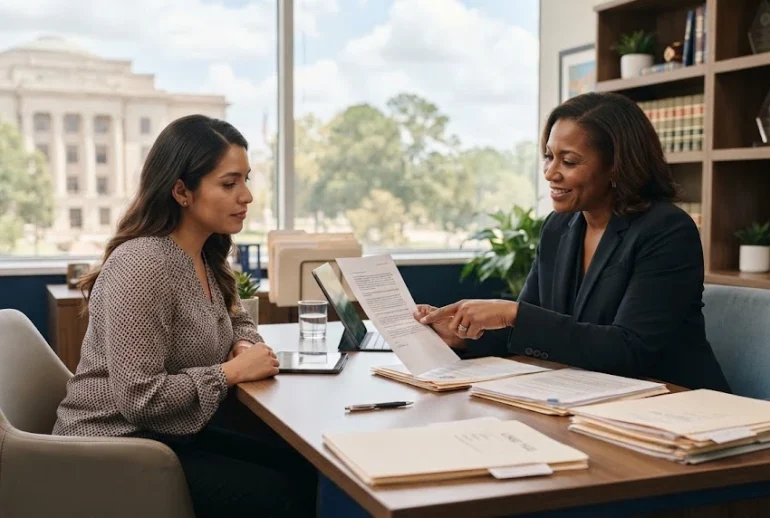
Facing a legal problem can be stressful, particularly when hiring a private attorney feels financially out of reach. For qualifying residents, legal aid Shreveport LA resources can provide an important pathway toward understanding legal rights, preparing for a legal matter, and accessing civil legal assistance.
Legal issues involving housing, family matters, consumer disputes, public benefits, domestic violence, custody, or other civil concerns can have a major effect on everyday life. Fortunately, Shreveport and the surrounding Northwest Louisiana region have organizations and programs designed to connect eligible residents with legal help.
This guide explains how legal aid works in Shreveport, what types of matters may qualify, how to prepare before requesting assistance, and what alternatives may be available when free representation is not an option.
What Is Legal Aid in Shreveport, LA?
Legal aid generally refers to legal assistance provided to people who meet certain eligibility requirements, often based on income, household circumstances, legal issue, or other program-specific criteria.
Legal aid is particularly important in civil matters, where people may face serious consequences involving housing, family stability, income, benefits, or personal safety.
Residents should understand that legal aid organizations do not necessarily accept every case. Eligibility, available resources, the type of legal problem, and the organization’s service area can all affect whether assistance is available.
Who May Qualify for Legal Aid?
Eligibility varies between programs, but financial circumstances are often an important consideration. Some programs serve people whose household income falls within established guidelines, while others may consider additional circumstances.
Even if you are unsure whether you qualify, it can still be worthwhile to contact an appropriate legal-aid organization and ask about the intake process.
Applicants may be asked for information such as:
- Household income
- Number of people in the household
- Employment information
- Government benefits received
- Details about the legal problem
- Relevant court documents
- Deadlines or upcoming hearings
- Previous legal assistance
Common Legal Problems Legal Aid May Address
Legal-aid organizations commonly focus on civil legal problems that can significantly affect an individual’s safety, housing, family, finances, or access to essential services.
Family Law Matters
Family-related disputes can involve divorce, child custody, child support, protective orders, or other issues affecting family relationships.
Because family cases can involve important deadlines and court procedures, getting appropriate legal information early can help a person understand the process and avoid preventable mistakes.
Housing and Eviction Problems
Housing disputes can become urgent very quickly. Tenants facing eviction, unsafe housing conditions, or other landlord-tenant problems may need to understand their rights and available legal options.
Anyone who receives a court notice related to housing should pay close attention to the deadline rather than assuming that the issue will resolve automatically.
Domestic Violence and Safety-Related Matters
People experiencing domestic abuse may need assistance involving protective orders, housing, family matters, or related civil legal issues.
When safety is involved, legal assistance should be considered alongside appropriate emergency and community resources.
Consumer Problems
Consumer disputes can involve debt collection, contracts, unfair practices, or other financial problems. Legal assistance may help eligible individuals understand their rights and determine what steps may be available.
For readers interested in broader financial topics, NovaSpath also covers financial decision-making and risk considerations.
Public Benefits
Some civil legal-aid programs assist eligible individuals with problems involving public benefits. When an important benefit is denied, reduced, or interrupted, understanding the applicable process can be valuable.
Nursing Home and Elder-Related Issues
Older adults and their families may encounter legal questions involving housing, care, property, benefits, or nursing-home concerns. Depending on the circumstances, legal-aid services may provide assistance or referrals.
How to Find Legal Aid Shreveport LA Services
Residents looking for legal aid Shreveport LA should begin with established legal-aid organizations, bar-association resources, and recognized legal-help directories rather than relying on random online advertisements.
One important organization serving the area is Acadiana Legal Service Corporation, which maintains a Shreveport office and provides an intake process for people seeking legal assistance. Eligibility must be determined by the organization.
The Shreveport Bar Foundation also operates a Pro Bono Project that connects qualifying low-income residents with volunteer attorneys for certain civil matters.
People can also use statewide legal-help resources to identify programs that may be appropriate for their particular situation.
What to Do Before Contacting a Legal Aid Organization
Preparation can make the intake process easier. Before contacting an organization, gather as much relevant information as possible.
Collect Your Legal Documents
Keep court notices, letters, contracts, leases, bills, police reports, previous legal correspondence, and other relevant documents together.
Do not throw away documents simply because they appear outdated. A legal professional may need to review the history of the matter to understand what happened.
Write Down Important Dates
Create a simple timeline showing when important events occurred. Include filing dates, notices received, deadlines, hearings, payments, conversations, and other major events.
If you have an upcoming court date, make that clear when requesting assistance.
Explain the Problem Clearly
Try to describe what happened in chronological order. Avoid unnecessary details that do not relate to the legal issue, but do not leave out information that could change the situation.
A clear explanation helps an intake specialist determine what type of assistance may be appropriate.
What Happens During the Legal Aid Intake Process?
Legal-aid organizations typically have an intake process designed to determine whether an applicant and their legal matter meet the program’s requirements.
The process may involve questions about income, household circumstances, location, legal issue, deadlines, and documents.
Applicants should answer questions honestly and provide accurate information. Misrepresenting financial or legal circumstances can create complications and may affect eligibility.
What If You Do Not Qualify for Free Legal Aid?
Not qualifying for a particular legal-aid program does not necessarily mean that you have no options.
Depending on the legal issue and financial circumstances, you may be able to explore:
- Modest-means attorney programs
- Lawyer referral resources
- Limited-scope representation
- Private attorneys offering consultations
- Volunteer attorney programs
- Self-help court resources
- Legal information services
Some legal matters may also be appropriate for self-representation when the court provides sufficient self-help resources, although complicated cases can still benefit from professional legal guidance.
Legal Aid vs. Private Attorney: What’s the Difference?
Legal aid and private legal representation can serve different needs.
| Legal Aid | Private Attorney |
|---|---|
| Generally designed for eligible individuals | Usually available to clients who can pay legal fees |
| May focus on specific civil legal issues | May offer a broader range of legal services |
| Eligibility requirements may apply | Fees and engagement terms vary |
| Resources may be limited | Availability depends on the attorney |
The right option depends on the nature of the legal problem, financial circumstances, urgency, and available local resources.
Why You Should Not Ignore a Legal Notice
One of the most important steps when facing a legal issue is to avoid ignoring official notices.
A letter, summons, eviction notice, court filing, or hearing notice may contain deadlines that affect your ability to respond or protect your interests.
If you do not understand a document, seek qualified legal information as soon as possible. Waiting until the deadline is extremely close can make it harder to obtain assistance.
Understanding Legal Aid for Different Legal Situations
The legal-help process can vary significantly depending on the subject of the dispute. For example, someone dealing with a family-law matter may need different assistance from someone facing a consumer dispute or housing issue.
NovaSpath also covers other legal topics, including its guide to legal aid resources in Youngstown and legal assistance in Ardmore, Oklahoma.
These related resources demonstrate an important point: legal-aid availability is highly dependent on location and the type of legal issue involved.
Legal Help for Housing and Property Issues
Property-related disputes can range from landlord-tenant conflicts to questions involving ownership, repairs, contracts, or other property rights.
If a housing issue is urgent, gather the lease, written notices, photographs, payment records, inspection documents, and communications with the other party.
Keeping organized evidence can make it easier for a legal professional or intake specialist to understand the dispute.
For comparison, readers can also review NovaSpath’s guide to legal requirements involving window tint, which illustrates how state-specific rules can affect everyday decisions.
Legal Aid and Financial Problems
Financial stress often overlaps with legal problems. Debt, consumer disputes, housing costs, benefits, and employment circumstances can all influence a person’s ability to resolve a legal matter.
When legal and financial issues occur together, keep records of bills, payment agreements, notices, contracts, and correspondence.
NovaSpath’s broader financial coverage includes resources such as tax and financial calculations, financial service guidance, and financial policy information.
How to Make Your Legal Consultation More Productive
Whether you speak with a legal-aid attorney, volunteer lawyer, or private attorney, preparation can improve the quality of the conversation.
Bring organized documents and prepare a short list of questions. If there are multiple legal issues, separate them into individual topics.
Be honest about facts that may be unfavorable. Attorneys need accurate information to evaluate the situation properly.
Also ask about the next step. A useful consultation should leave you with a clearer understanding of what needs to happen next, even if the attorney cannot take the case.
Common Mistakes to Avoid When Seeking Legal Aid
- Waiting until the last possible moment
- Ignoring court notices
- Throwing away important documents
- Providing incomplete or inaccurate information
- Assuming every legal problem qualifies for free representation
- Relying entirely on anonymous online legal advice
- Missing an appointment or intake deadline
- Assuming that one organization’s eligibility rules apply everywhere
Why Local Legal Resources Matter
Legal rules and procedures can vary by state, court, parish, and type of case. A resource that is appropriate in one location may not serve residents somewhere else.
For someone searching for legal aid Shreveport LA, local organizations are therefore particularly important. Shreveport-area residents should prioritize resources that specifically serve Caddo Parish, Bossier Parish, or the appropriate surrounding area.
Local knowledge can also make it easier to understand which courthouse, program, attorney directory, or community resource is relevant to a particular situation.
When You Need Legal Help Quickly
Some legal matters require faster action than others. If you have received a court summons, eviction notice, protective-order paperwork, custody hearing notice, or another document containing a deadline, do not postpone seeking assistance.
Start by identifying the deadline, gathering the documents, and contacting an appropriate legal resource.
If one organization cannot assist, ask whether it can refer you to another service. Legal-help networks often include multiple organizations serving different populations and legal issues.
Final Thoughts
Finding legal aid Shreveport LA does not have to begin with uncertainty. Eligible residents may have access to legal-aid organizations, pro bono programs, statewide legal-help directories, and other resources designed to improve access to civil legal assistance.
The most important steps are to act early, understand your eligibility, organize your documents, explain your situation accurately, and pay close attention to legal deadlines.
Free legal representation is not guaranteed, and every program has its own requirements and available resources. However, knowing where to start can make the process much more manageable.
Important: This article provides general informational content and is not legal advice. Laws, eligibility requirements, procedures, and available services can change. For advice about a specific legal matter, consult a qualified attorney or an appropriate legal-aid organization.
Frequently Asked Questions About Legal Aid Shreveport LA
Where can I find legal aid in Shreveport, LA?
Shreveport residents can explore local legal-aid organizations, pro bono programs, and statewide legal-help directories. Eligibility and available services depend on the applicant’s circumstances and legal issue.
Is legal aid free in Shreveport?
Eligible clients may receive free legal assistance through qualifying programs. However, eligibility requirements apply and not every type of case can be accepted.
What types of cases may qualify for legal aid?
Depending on the organization, qualifying civil matters may include housing, family law, domestic violence, consumer issues, public benefits, property matters, and other legal problems affecting essential needs.
Can I get a free lawyer for a civil case?
Some eligible individuals may receive representation through legal-aid or pro bono programs. Availability depends on financial eligibility, the legal issue, location, program capacity, and other requirements.
What should I bring when applying for legal aid?
Bring identification and relevant information about household income, along with court papers, notices, contracts, leases, bills, correspondence, and other documents related to the legal problem.
What if I do not qualify for legal aid?
You may be able to explore lawyer-referral programs, modest-means services, limited-scope representation, private consultations, self-help resources, or other community legal services.
Should I wait until my court date is close before seeking legal help?
No. If you know about an upcoming hearing or legal deadline, seek assistance as early as possible. Early preparation gives you more time to understand your options and find an appropriate resource.