“Efficiency is doing things right; effectiveness is doing the right things.” – Peter Drucker
When it comes to air conditioning repair services in Tallulah Falls, homeowners and businesses often face a conundrum: how to maintain comfort without violating local and federal compliance standards. Over the years, HVAC systems have evolved from simple cooling devices to sophisticated climate control hubs integrated with smart technology. Yet, despite this evolution, improper maintenance and repair can quickly lead to costly inefficiencies, safety hazards, and regulatory violations.
Understanding the legal and technical requirements of air conditioning repair is critical. Njpropertyrecords highlights the importance of engaging licensed professionals who can navigate the complex web of building codes, refrigerant regulations, and warranty stipulations. Attempting DIY fixes may seem economical, but it often introduces risks that far outweigh any short-term savings.
Quick Definitions
HVAC: Heating, Ventilation, and Air Conditioning systems designed to regulate indoor climate.
SEER: Seasonal Energy Efficiency Ratio; measures the cooling efficiency of an AC unit.
EPA Compliance: Adherence to Environmental Protection Agency regulations for refrigerants and emissions.
Licensed Technician: A professional certified to handle AC installation, repair, and maintenance in compliance with local laws.
Legal Compliance Essentials for Air Conditioning Repair
The first question that arises is: what constitutes legal compliance in air conditioning repair? In Tallulah Falls, technicians must adhere to several federal and state regulations. These include EPA standards for handling refrigerants, local building codes for electrical and ductwork modifications, and manufacturer guidelines for warranty preservation. Failure to comply can result in fines, voided warranties, and potential safety hazards.
For instance, the improper disposal of refrigerants like R-22 is not just an environmental issue – it is a legal one. Technicians must follow strict EPA-approved recovery and recycling procedures. Similarly, electrical modifications within an AC system must align with local electrical codes to prevent fire hazards. Compliance isn’t optional; it’s a legal obligation that protects both the property owner and the service provider.
Why Professional Assessment Matters
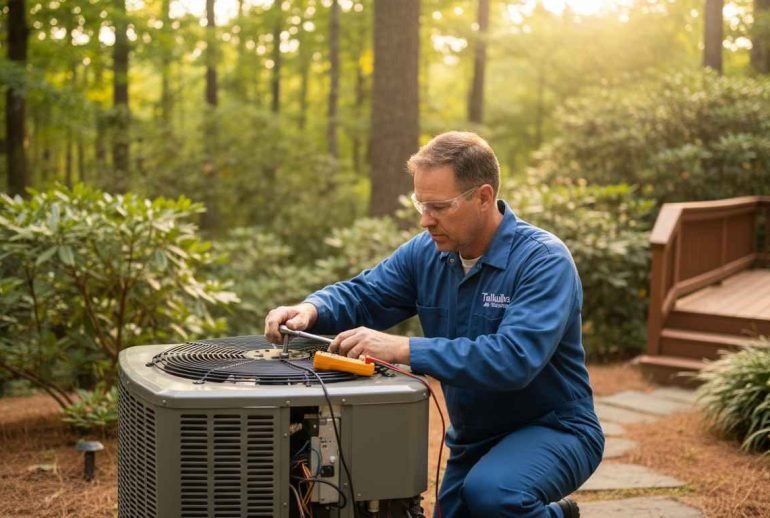
While many homeowners are tempted to attempt DIY repairs, the reality is that modern air conditioning systems are intricate networks of compressors, condensers, and digital controllers. Misdiagnosing a problem can lead to cascading failures, higher energy bills, or even permanent system damage. Licensed technicians bring experience, diagnostic tools, and regulatory knowledge that ensure repairs are safe, efficient, and compliant.
Understanding Common Repairs and Their Compliance Implications
Here’s a breakdown of the most common air conditioning repairs in Tallulah Falls and the compliance considerations for each:
In today’s digital age, the protection of sensitive data has become a paramount concern for businesses and individuals alike. With cyber threats, hardware failures, and human errors looming large, ensuring that your information is secure and recoverable is more important than ever. This is where managed backup services in Kent come into play, offering tailored solutions that safeguard your critical data. As organizations increasingly rely on technology, understanding how these services work and the benefits they provide can mean the difference between a minor inconvenience and a catastrophic loss. In this article, we will explore the essential role of managed backup services in protecting your data before it’s too late.
1. Refrigerant Recharge
Replacing or topping off refrigerants requires EPA-certified handling. Using incorrect refrigerants or overcharging the system can lead to legal penalties and environmental harm. Always ensure the technician has proper certification.
2. Compressor Replacement
The compressor is the heart of an AC system. Improper installation can cause electrical violations or void the manufacturer warranty. Compliance requires proper mounting, electrical connections, and leak testing.
3. Ductwork Modifications
Altering ductwork without following building codes can compromise airflow and violate structural regulations. Licensed professionals ensure that modifications enhance efficiency while adhering to local codes.
4. Thermostat and Control Systems
Smart thermostats must be installed in accordance with electrical codes and manufacturer instructions. Incorrect installation may not only breach compliance but also affect energy efficiency calculations used for incentives or rebates.
Who Should Avoid This? Potential Drawbacks
Air conditioning repair, while essential, is not a one-size-fits-all solution. Certain homeowners and businesses should exercise caution:
- DIY Enthusiasts: Without certification, you risk legal violations and system damage.
- Unlicensed Contractors: Hiring unverified technicians can void warranties and breach building codes.
- High-Risk Environments: Hospitals, laboratories, or food storage facilities require strict adherence to compliance standards. Improper repair can have serious consequences.
Preventive Maintenance and Compliance Synergy
Preventive maintenance is more than a convenience – it’s a legal and financial strategy. Routine inspections ensure refrigerant levels are correct, electrical connections are safe, and system performance meets SEER ratings. In addition, maintenance logs can serve as proof of compliance in the event of an audit or insurance claim.
Annual servicing by certified technicians ensures that all repairs and upgrades meet EPA and local standards. This proactive approach reduces emergency repair costs, prolongs equipment lifespan, and maintains energy efficiency – all while keeping you on the right side of the law.
Cost vs. Compliance: A Risk-Benefit Analysis
While compliance may seem like an additional expense, the risks of non-compliance far outweigh short-term savings. Violations can result in fines, forced system replacement, and liability for environmental damage. In contrast, investing in professional, compliant services enhances system performance, energy efficiency, and resale value.
Tips for Selecting a Compliant AC Service Provider in Tallulah Falls
Choosing the right contractor involves more than comparing prices. Consider these criteria:
- Licensing and Certification: Verify EPA and state licenses.
- Experience: Look for a proven track record in complex systems.
- Transparent Documentation: Ensure the provider issues compliance and maintenance reports.
- Warranty Protection: Confirm that all repairs preserve manufacturer warranties.
- Emergency Services: Check availability for urgent repair needs to prevent compliance breaches.
Future-Proofing Your AC System
Compliance isn’t static. With evolving EPA regulations and energy efficiency standards, staying current is essential. Investing in energy-efficient systems, automated monitoring, and smart controls not only ensures compliance but also optimizes long-term operational costs. Engaging with a forward-thinking, licensed contractor guarantees that your AC system adapts to new regulations seamlessly.
Conclusion
Air conditioning repair services in Tallulah Falls demand more than technical skill – they require legal awareness, professional judgment, and adherence to rigorous compliance standards. Attempting repairs without certification risks safety, efficiency, and legality. By choosing licensed professionals and prioritizing preventive maintenance, property owners safeguard both their investment and their comfort. Remember, the cost of compliance is minimal compared to the financial and legal repercussions of negligence.