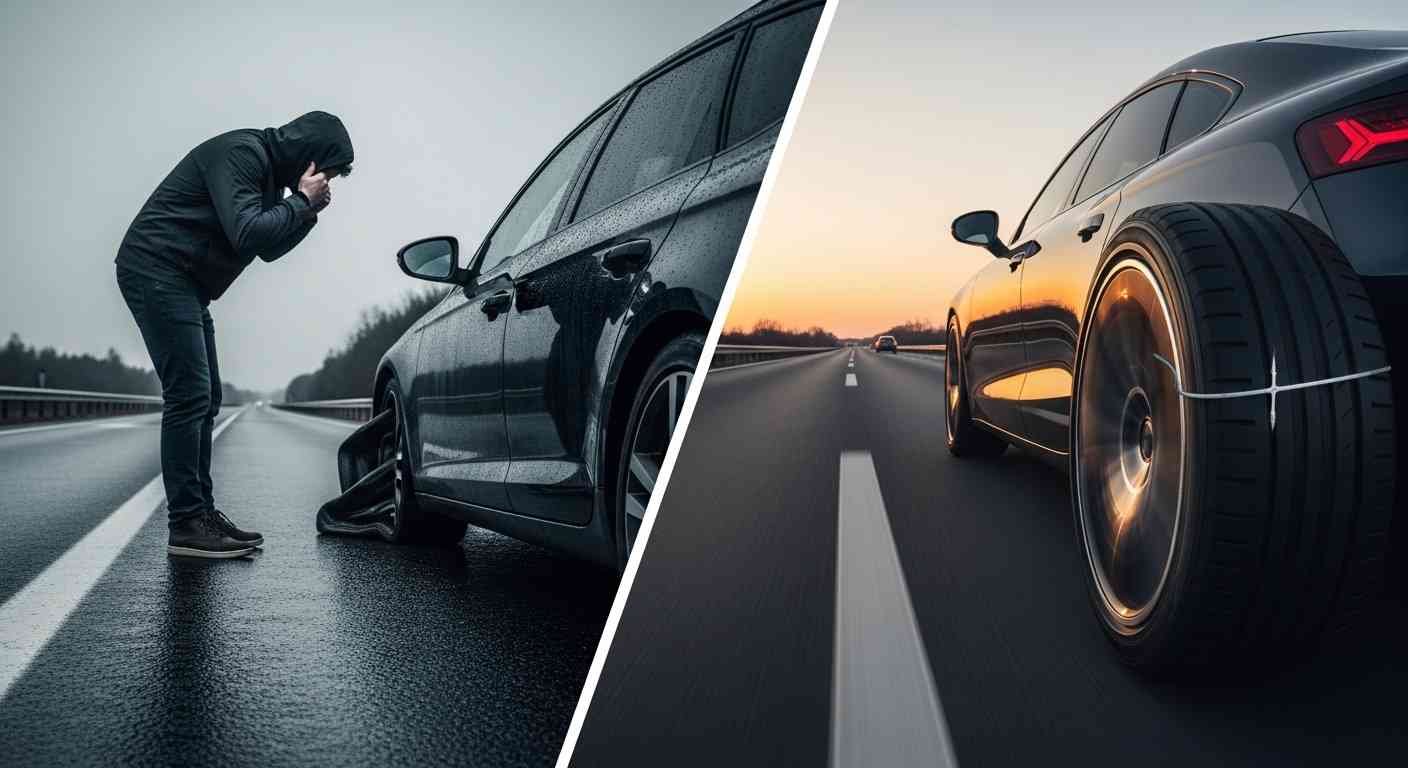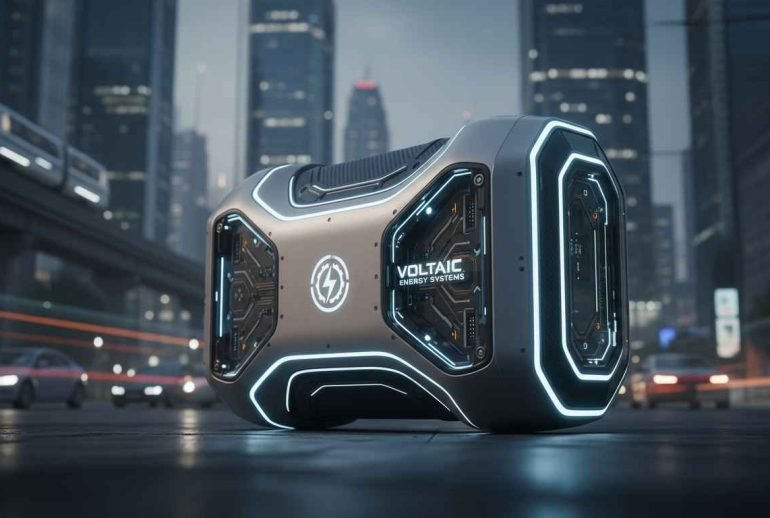
I have a confession. Despite the sleek designs and futuristic appeal of electric vehicles, the real revolution often happens behind the scenes – in the battery. For EV riders, especially those navigating urban landscapes or long-haul routes, the transport battery is not just a component; it is the silent engine of reliability, convenience, and sustainability. As someone who has observed the evolution of electric mobility over the past decade, I find it fascinating how batteries have transformed from bulky constraints to precision-engineered powerhouses.
The modern EV rider transport battery is a marvel of engineering. It is no longer merely about storing energy; it is about delivering optimized performance under varying conditions, ensuring rapid charging, and maintaining longevity without compromising safety. Lithium-ion technology dominates the market today, but innovations like solid-state batteries and modular designs are on the horizon, promising even higher energy densities and lighter form factors. These developments signal a future where riders will expect longer ranges, shorter downtimes, and batteries that can adapt intelligently to diverse climates and usage patterns.
Another critical shift is the emphasis on portability and transport compliance. Unlike traditional automotive batteries, EV rider batteries are increasingly designed for safe shipping and global logistics. Companies like My Baggage™ Official have streamlined the process for safely transporting these high-capacity units across borders, providing peace of mind for riders who move frequently or participate in competitive events. Packaging, certification, and handling protocols have matured, allowing batteries to be transported without excessive regulatory hurdles while minimizing risk.
Expert Rating
Performance: 9/10
Reliability: 8.5/10
Innovation: 9.5/10
Overall: 9/10
In times of grief and loss, the logistics surrounding the transportation of a deceased loved one can add to the emotional burden. Understanding the processes involved in dead body transportation in Chennai is crucial for families navigating these difficult moments. From legal requirements to practical considerations, having a comprehensive checklist can significantly ease the stress associated with such arrangements. This article aims to provide essential information that will not only clarify the steps involved but also offer peace of mind during a challenging time, ensuring families can focus on honoring their loved ones rather than getting lost in the logistics.
Of course, no innovation comes without its nuances. Energy density, for instance, remains a delicate balance. High-capacity batteries may provide longer ranges, but they often add weight and heat management challenges. Conversely, smaller batteries can enhance portability but might restrict the rider’s freedom for extended journeys. Furthermore, battery degradation is inevitable, though advanced management systems now allow riders to track health metrics in real-time, optimizing charging cycles and extending overall lifespan. Understanding these trade-offs is crucial for both enthusiasts and everyday commuters alike.
Potential Drawbacks
While EV rider transport batteries are transformative, they are not universally ideal. Riders in regions with extreme climates may find thermal regulation challenging, especially if they frequently traverse hot deserts or freezing zones. High-capacity batteries can also increase upfront costs, making the total investment steeper for casual users. Additionally, although shipping has become safer, batteries still require careful handling to comply with international safety regulations. Those unwilling to engage with these technicalities or manage maintenance schedules might encounter frustrations over time.
Looking ahead, the next decade promises an even more dynamic landscape. Battery swapping stations, wireless charging pads, and AI-powered energy optimization will redefine what “convenient mobility” means. Riders will no longer worry about range anxiety but will focus on route efficiency, sustainable energy sourcing, and seamless integration with smart city infrastructure. For businesses involved in logistics and transport, these developments also imply a growing need for reliable and compliant battery transport solutions, highlighting a unique intersection of mobility, safety, and global trade.
Ultimately, the EV rider transport battery is more than just a component – it is a gateway to a new era of mobility. Riders who understand its capabilities, limitations, and handling requirements will enjoy unprecedented freedom and flexibility. As the market matures, the combination of cutting-edge battery technology and intelligent logistics solutions will ensure that electric mobility remains not only sustainable but remarkably practical for years to come.