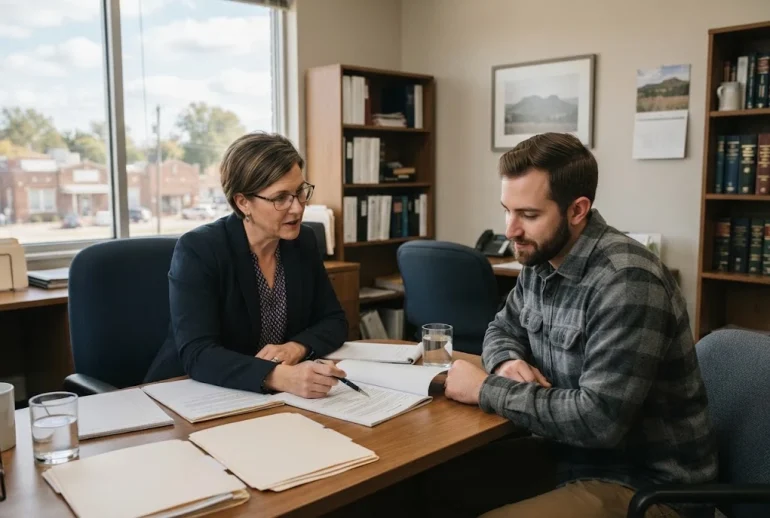
Ardmore is served by a local Legal Aid Services of Oklahoma office that covers Carter County and several surrounding counties. This guide explains how legal aid works in Ardmore, the types of civil matters that may qualify for assistance, what to prepare, and what alternatives may be available if a legal aid program cannot take your case.
What Is Legal Aid in Ardmore, Oklahoma?
Legal aid provides civil legal assistance to people who meet the eligibility requirements of a legal services program. Unlike a criminal public defender, civil legal aid generally deals with non-criminal matters such as housing, family law, consumer problems, public benefits, employment concerns, and other legal issues.
Legal Aid Services of Oklahoma (LASO) is a nonprofit organization providing civil legal assistance to eligible Oklahomans. Its Ardmore office serves Carter County as well as several surrounding counties. Eligibility can depend on income, household circumstances, the type of legal issue, program priorities, and other factors.
If you are researching different city-specific legal aid resources, you can also review our guide to legal aid in Shreveport, Louisiana for another example of how local legal assistance resources can differ by location.
Who May Qualify for Legal Aid?
Legal aid is not automatically available to everyone who requests it. Many programs use financial eligibility guidelines and also consider the nature of the legal problem.
Legal Aid Services of Oklahoma states that its intake process considers information such as household income, the number of people in the household, and the legal issue involved. Some programs may also have special eligibility rules for particular groups or types of cases.
Because eligibility rules and program priorities can change, it is better to contact the organization directly rather than assuming that you qualify or do not qualify based only on your income.
What Types of Legal Problems Can Legal Aid Help With?
The types of cases accepted by legal aid organizations vary, but civil legal assistance can cover several important areas. LASO identifies areas including housing, family law, domestic violence, consumer issues, employment and unemployment, public benefits, health-related legal matters, and other civil concerns.
Housing and Eviction Problems
Housing problems can become urgent when a tenant receives an eviction notice, faces a dispute with a landlord, or encounters serious housing-related legal issues.
Legal aid may be able to help eligible individuals understand their rights, respond to qualifying legal problems, or determine what resources are available. Because eviction and housing matters can involve deadlines, contacting legal assistance early is important.
Family Law Matters
Family-related legal problems can involve divorce, child support, guardianship, custody, or other civil matters. Depending on eligibility and available resources, legal aid may provide information, advice, limited assistance, or representation in qualifying cases.
If you have an upcoming family-court date, organize your court documents and contact an appropriate legal resource as soon as possible.
Domestic Violence and Safety-Related Legal Issues
People experiencing domestic violence may face legal questions involving protective orders, housing, family matters, or other civil protections.
Legal assistance can be one part of a broader safety plan. If you are in immediate danger, contact emergency services or an appropriate domestic violence support organization rather than waiting for a legal aid appointment.
Consumer and Debt Problems
Consumer disputes, debt collection, garnishment, repossession, and other financial legal problems can create significant pressure. Legal aid programs may assist eligible clients with certain consumer-related civil matters.
Keep letters, account statements, contracts, court documents, and other communications related to the dispute. These records can help a legal professional understand the situation.
Public Benefits and Employment Issues
Some legal aid programs assist eligible individuals with disputes involving public benefits, unemployment, employment rights, or access to certain services. These matters may involve an agency notice, denied application, benefits termination, wage concern, or another administrative issue.
If you received an official notice, keep the complete document and pay close attention to any response deadline.
Legal Aid Ardmore OK: Local Office and Service Area
Legal Aid Services of Oklahoma lists an Ardmore office at 14 E Street Southwest, Ardmore, Oklahoma 73401. The office serves Carter County and several surrounding counties, including Garvin, Johnston, Love, Marshall, Murray, and Pontotoc counties, as listed by LASO.
LASO’s current office directory provides the latest contact information and service-area details. Because office information and intake procedures can change, checking the organization’s current information before traveling is a practical step.
For broader legal-services context, you can also read about modern legal services and legal assistance and how different legal-service models can support people and organizations.
How to Apply for Legal Aid in Ardmore
The application process normally begins with an intake or eligibility screening. You may be asked questions about your household, income, location, and legal problem before a decision is made about whether the organization can assist.
Legal Aid Services of Oklahoma currently provides statewide application information through its intake system. The organization advises applicants to provide the requested information so it can determine whether the case qualifies for assistance.
When contacting legal aid, explain the problem clearly. You do not need to know the correct legal terminology. A simple description of what happened, what documents you received, and what deadline you are facing can help the intake team understand your situation.
What Documents Should You Prepare?
Good preparation can make the initial legal-aid screening more useful. Gather documents that show what happened and when it happened.
- Court notices and summonses
- Eviction notices or landlord correspondence
- Leases and housing agreements
- Divorce, custody, or child-support documents
- Government benefit notices
- Employment or wage-related records
- Debt collection letters and account statements
- Contracts and written agreements
- Relevant emails, text messages, or letters
- Police or incident reports when relevant
- Identification and household information requested during intake
Create a Short Timeline
Write down the major events in chronological order. Include the date the problem started, important communications, payments, notices, hearings, and deadlines.
A timeline does not need to be complicated. Even a short list of dates and events can make it easier for a legal professional to understand the circumstances.
Why Acting Early Matters
Waiting too long can make a civil legal problem harder to address. Court deadlines, response periods, administrative appeals, and other legal time limits can affect what options remain available.
If you receive a court document, do not assume that contacting a lawyer or legal aid organization automatically stops a deadline. Read the paperwork carefully and seek qualified legal guidance as soon as possible.
The same principle applies to housing disputes, family matters, benefits decisions, and debt-related legal problems. Early contact gives a legal organization more time to evaluate the situation and determine whether it can help.
What If Legal Aid Cannot Take Your Case?
A legal aid organization may be unable to accept a case because of eligibility requirements, available resources, conflicts of interest, the type of legal issue, geographic limitations, or program priorities.
If that happens, ask whether the organization can identify another resource. Depending on your circumstances, alternatives may include a lawyer referral service, private attorney, self-help resources, nonprofit organizations, or pro bono assistance.
Do not assume that an initial rejection means there is no legal option. The important question is whether another qualified resource may be able to address your particular problem.
Legal Aid vs. Hiring a Private Attorney
| Legal Aid | Private Attorney |
|---|---|
| Designed to assist eligible people with qualifying civil legal matters | Provides services under a private attorney-client agreement |
| Eligibility and case acceptance depend on program rules and resources | Availability depends on the attorney’s practice area and willingness to accept the matter |
| May provide information, advice, limited assistance, or representation | May provide broader representation depending on the engagement |
| Often intended for people who meet financial or program-specific requirements | Usually involves private legal fees or another agreed payment arrangement |
The best option depends on the legal problem, your eligibility, the urgency of the matter, and the resources available to you.
How to Prepare for a Legal Aid Intake Call
A short preparation checklist can help you use your intake time efficiently.
- Identify the main legal problem in one or two sentences.
- Write down your county and current contact information.
- Gather documents connected to the dispute.
- Record all known court dates and deadlines.
- Prepare basic household and income information if an eligibility screening requires it.
- Explain what outcome you are hoping to achieve.
- Ask what additional documents or information the organization needs.
Be accurate and complete when answering intake questions. The organization needs reliable information to determine whether your matter falls within its eligibility and service requirements.
What You Should Not Do During a Legal Dispute
When dealing with an urgent legal issue, avoid ignoring official paperwork or assuming that a deadline does not matter.
- Do not throw away court notices or official letters.
- Do not ignore a hearing date.
- Do not assume that verbal promises override written agreements.
- Do not provide inaccurate information during a legal intake.
- Do not rely on online comments as a substitute for legal advice specific to your circumstances.
- Do not wait unnecessarily when a document gives you a response deadline.
Keeping organized records and seeking appropriate professional guidance can help you make more informed decisions.
Local Court and Legal Information Resources
People dealing with a legal matter in Ardmore may also need court-related information in addition to legal advice. Carter County District Court is located in Ardmore and provides court-related administrative services.
Court staff can generally provide procedural information, but they are not a substitute for an attorney and should not be expected to provide individualized legal advice about how to handle your case.
If you need legal information rather than full representation, Oklahoma’s legal information resources can also help you understand common civil legal topics and available self-help materials.
Questions to Ask Legal Aid
Before ending an intake conversation, consider asking questions such as:
- Does your organization handle this type of civil legal problem?
- Do I appear to meet the basic eligibility requirements?
- What documents should I submit?
- Is there an important deadline in my situation?
- Can you provide representation or only advice and information?
- How will I know whether my application has been accepted?
- If you cannot help, can you refer me to another organization?
- Is there a self-help or lawyer-referral resource I should contact?
When You Need Legal Help Quickly
Some legal situations require faster action than others. If you have an upcoming hearing, an eviction-related deadline, a benefits appeal deadline, or another official response date, prioritize contacting an appropriate legal resource.
A practical approach is to gather your documents first, identify the deadline, and then contact legal aid or another qualified legal resource. If legal aid cannot represent you, ask for a referral or another appropriate option rather than simply abandoning the matter.
For readers researching other location-specific legal aid resources, our Youngstown legal aid guide provides another example of how local legal assistance can vary according to the community and available services.
Frequently Asked Questions About Legal Aid in Ardmore OK
Is legal aid free in Ardmore, Oklahoma?
Qualifying legal services may be provided without attorney fees to eligible clients, but eligibility depends on the organization, the legal issue, and applicable program requirements. Some court or case-related costs may still be the client’s responsibility.
Does legal aid in Ardmore handle eviction cases?
Legal Aid Services of Oklahoma identifies housing issues, including eviction-related matters, among the areas in which it provides assistance. Whether a particular case can be accepted depends on eligibility, program rules, resources, and the circumstances of the case.
Can legal aid help with family law?
Some qualifying family-law matters may be eligible for assistance. Legal aid programs can have specific requirements and priorities, so explain your circumstances during the intake process.
What county does the Ardmore legal aid office serve?
The LASO Ardmore office serves Carter County and several surrounding counties. The current LASO office directory should be checked for the latest service-area information before applying.
What if I do not qualify for legal aid?
If you do not qualify, ask whether the organization can refer you to a lawyer referral service, pro bono attorney, self-help resource, or another organization that handles your type of legal problem.
Should I contact legal aid before my court date?
Yes. If you have a court date or another legal deadline, contacting an appropriate legal resource as early as possible gives the organization more time to review your situation and determine what assistance may be available.
Final Thoughts
Finding legal aid Ardmore OK does not have to begin with confusion. Start by identifying the type of civil legal problem you are facing, gathering the relevant paperwork, recording important deadlines, and contacting an established legal resource for an eligibility assessment.
Legal Aid Services of Oklahoma provides civil legal assistance to eligible Oklahomans and maintains an Ardmore office serving Carter County and surrounding areas. If that resource cannot accept your case, ask about referrals and other legal assistance options rather than waiting until a deadline becomes urgent.
The right legal resource depends on the facts of your situation. Taking organized, timely action is one of the most useful steps you can take when a legal problem requires professional attention.