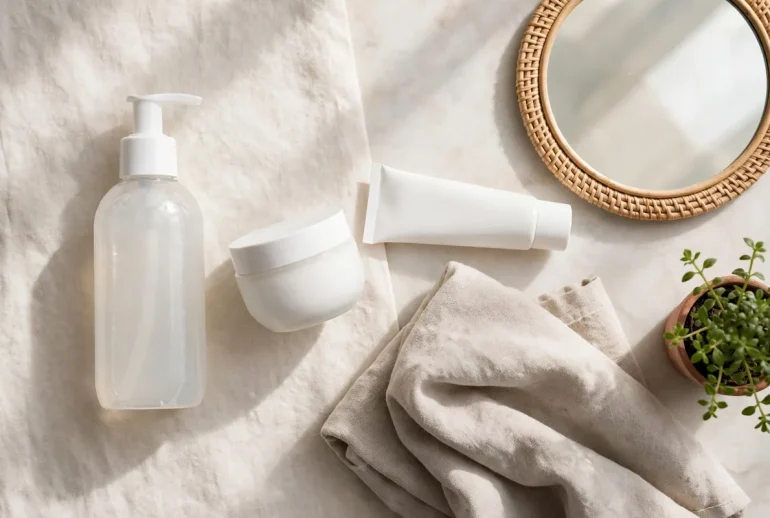
Starting a skincare routine for beginners does not require a shelf full of products or a degree in chemistry. It requires three dependable steps, a little patience, and the discipline to keep things simple while your skin adjusts. Most people who give up on skincare do so because they bought too much, too fast, and irritated their skin in the process. This guide walks you through a calm, affordable routine that works morning and night, explains how to choose products for your skin type, and flags the mistakes that quietly undo good habits.
Why a Simple Skincare Routine for Beginners Works Best
Your skin barrier — the thin outer layer that keeps moisture in and irritants out — thrives on consistency. When you layer six new products in one week and your face stings or breaks out, you cannot tell which product caused the problem. A simple routine removes the guesswork. Dermatologists consistently recommend that beginners master cleansing, moisturizing, and sun protection before anything else, because those three steps handle the vast majority of everyday skin concerns: dryness, dullness, clogged pores, and premature aging from sun exposure.
There is also a budget argument. Three well-chosen products you actually finish are worth more than ten half-used bottles bought on impulse. If you are also simplifying other parts of your daily life, the same less-but-better logic behind building a capsule wardrobe applies perfectly to your bathroom shelf.
The Three Core Steps Every Beginner Needs
1. A Gentle Cleanser
Cleansing removes sunscreen, sweat, excess oil, and the day’s grime so your other products can work. Choose a gentle, fragrance-free cleanser that leaves your skin feeling clean but not tight or squeaky — that tight feeling usually means the cleanser stripped your barrier. Gel cleansers tend to suit oily and combination skin, while cream or milky cleansers comfort dry and sensitive skin. Wash with lukewarm water for about sixty seconds; hot water is a common hidden cause of redness.
2. A Reliable Moisturizer
Moisturizer locks in water and supports the barrier while it repairs itself overnight. Look for ingredients such as glycerin, ceramides, and hyaluronic acid on the label. Oily skin usually prefers a lightweight gel-cream, while dry skin does better with a richer cream. Apply it to slightly damp skin — that small timing trick noticeably improves how much moisture it seals in.
3. Sunscreen, Every Single Morning
Sunscreen is the single most effective anti-aging product that exists, and it protects all the progress your other steps make. Use a broad-spectrum SPF 30 or higher as the last step of your morning routine, in roughly two finger-lengths for your face and neck. If you spend the day outdoors, reapply every two hours. No serum or expensive cream can compensate for skipping this step.
Your Morning Routine, Step by Step
In the morning, splash your face with water or use your gentle cleanser if you wake up oily. Pat dry, apply moisturizer to damp skin, wait a minute for it to settle, and finish with sunscreen. That is the entire routine — five minutes at most. On busy mornings, a moisturizer with built-in SPF can combine the last two steps, though a dedicated sunscreen still offers the most reliable coverage.
Your Night Routine, Step by Step
Evenings are for a proper cleanse. If you wear makeup or water-resistant sunscreen, cleanse twice with the same gentle product rather than scrubbing once with something harsh. Follow with moisturizer, slightly more generously than in the morning, since skin loses the most water while you sleep. If you are building other healthy evening habits, pairing skincare with simple routines like weekly meal prep makes the whole wind-down feel automatic rather than like another chore.
How to Choose Products for Your Skin Type
If your face gets shiny by midday, you likely have oily or combination skin — lean toward gel textures and oil-free labels. If it often feels tight or flaky, choose cream textures and avoid foaming cleansers with strong sulfates. Sensitive skin does best with short ingredient lists, no fragrance, and no essential oils. Normal skin can use almost anything gentle. Whatever you buy, introduce one product at a time and give it two weeks before judging it; skin needs roughly a month to show the true effect of a new routine.
Common Beginner Mistakes to Avoid
The biggest mistake is over-exfoliating. Scrubs and acid toners used daily will damage your barrier and cause the very breakouts you were trying to fix — once or twice a week is plenty, and only after your basic routine feels comfortable. Other frequent errors include copying a ten-step routine from social media, mixing strong actives like retinol and vitamin C in the same session, expecting overnight results, and forgetting the neck and the backs of the hands, which show sun damage earliest. For a broader look at how small daily habits shape the way you look and feel, our guide to unveiling your radiance covers the lifestyle side of the equation.
When to Add Extras Like Serums and Exfoliants
After four to six weeks of a steady basic routine, you can add one targeted extra based on your main concern: a vitamin C serum in the morning for dullness, a gentle exfoliating acid twice a week for rough texture, or retinol at night — started slowly, twice a week — for fine lines and stubborn congestion. Add one product, wait several weeks, and only then consider another. This slow approach is what turns a skincare routine for beginners into a routine that genuinely changes your skin over a season rather than a weekend.
Patch Testing and Realistic Timelines
Before any new product touches your whole face, patch test it: apply a small amount along your jawline or behind your ear once a day for three or four days and watch for burning, itching, or new bumps. This five-minute habit prevents most full-face reactions. As for results, set honest expectations. Hydration improves within days, texture usually smooths over four to six weeks, and concerns like dark spots or fine lines need two to three months of consistent care because that is how long a full cycle of skin renewal takes. Taking one photo a month in the same light is a far better progress tracker than daily mirror inspections, which tend to exaggerate every small fluctuation and tempt you to abandon a routine that is quietly working.
Healthy skin is a long game. Cleanse gently, moisturize consistently, protect against the sun every morning, and let time do the heavy lifting. Your future self — and your mirror — will thank you.