A fresh bunch of coriander or basil can look tired within two days if it goes straight into the fridge in its shop bag. The good news is that you can store fresh herbs in ways that keep them bright and fragrant for one to three weeks, with about two minutes of effort.
The right method depends on the herb. Soft, leafy herbs want water and gentle cold. Hardy, woody herbs want to stay dry-ish and wrapped. Basil, awkward as ever, wants neither fridge nor water straight away. Here is how to handle each group.
Why Herbs Wilt So Fast in the First Place
Cut herbs are still alive, and they lose moisture through their leaves from the moment they are picked. A dry fridge speeds that loss up, while a sealed wet bag traps condensation and invites mould. Wilting is mostly a water problem, and most storage mistakes push it one way or the other.
Heat and light make things worse, which is why herbs forgotten on a sunny counter rarely survive the night. Your job is simply to slow the moisture loss without drowning the leaves.
The Jar Method for Soft Herbs
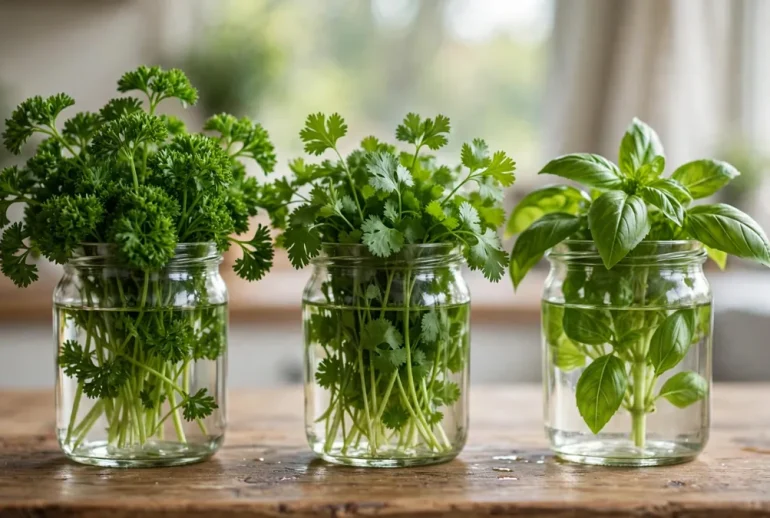
Parsley, coriander, dill and mint last longest treated like a bunch of flowers. Trim a little off the stem ends, then stand the bunch in a jar or glass with about an inch of water. Change the water every two days or so.
Cover the leaves loosely with a clean bag or a reusable cover, then put the jar in the fridge. Stored this way, coriander that would have collapsed by Wednesday is often still perky the following week.
One warning from experience. Do not wash soft herbs before storing them, because wet leaves rot faster. Wash them just before you use them instead.
Chives and spring onions prefer a middle path. Stand them in a jar of water in the fridge like soft herbs, or wrap them in a damp towel if jar space is tight. Either way, they keep their bite far longer than they do loose in the salad drawer.
The Damp Towel Method for Hardy Herbs
Rosemary, thyme, sage and oregano have sturdier leaves and woody stems, and they dislike sitting in water. For these, lay the sprigs on a slightly damp paper towel or clean cloth, roll them up gently, and place the roll inside a loose bag or container in the fridge.
The towel should feel like a wrung-out sponge, damp but not dripping. Check the roll after a few days and re-dampen the towel if it has dried out.
This method routinely keeps rosemary and thyme in good shape for two weeks, which covers most home cooking plans comfortably.
Basil Is the Exception to Every Rule
Basil hates the cold. Fridge temperatures turn its leaves black and bitter, often within a day. Keep basil on the counter instead, stems in a jar of water, well away from direct sun and from the fruit bowl, since ripening fruit gives off gas that ages leaves quickly.
A loose bag over the leaves helps hold a little humidity around them. Change the water every couple of days and snip off any leaf that starts to darken.
If you bought far more basil than the counter jar can hold, skip ahead to the freezing method below rather than risking the fridge.
Freezing Herbs in Oil for Later
Freezing is the best answer for herbs you cannot use in time. Chop the leaves, pack them into an ice cube tray, and cover them with olive oil or melted butter. Once frozen, pop the cubes into a labelled bag and they will keep for months.
A cube drops straight into a hot pan and works beautifully in soups, sauces, pasta and roast vegetables. The flavour stays surprisingly fresh, far better than dried herbs in most cooked dishes.
Soft herbs freeze best this way. Woody herbs can simply be frozen on their stems in a bag, and the leaves crumbled off as needed.
A Real Kitchen Problem, Solved
Picture the common trap. A recipe for a Thai curry asks for a large bunch of coriander, the shop only sells the big bag, and by Friday the rest is usually a green puddle in the salad drawer.
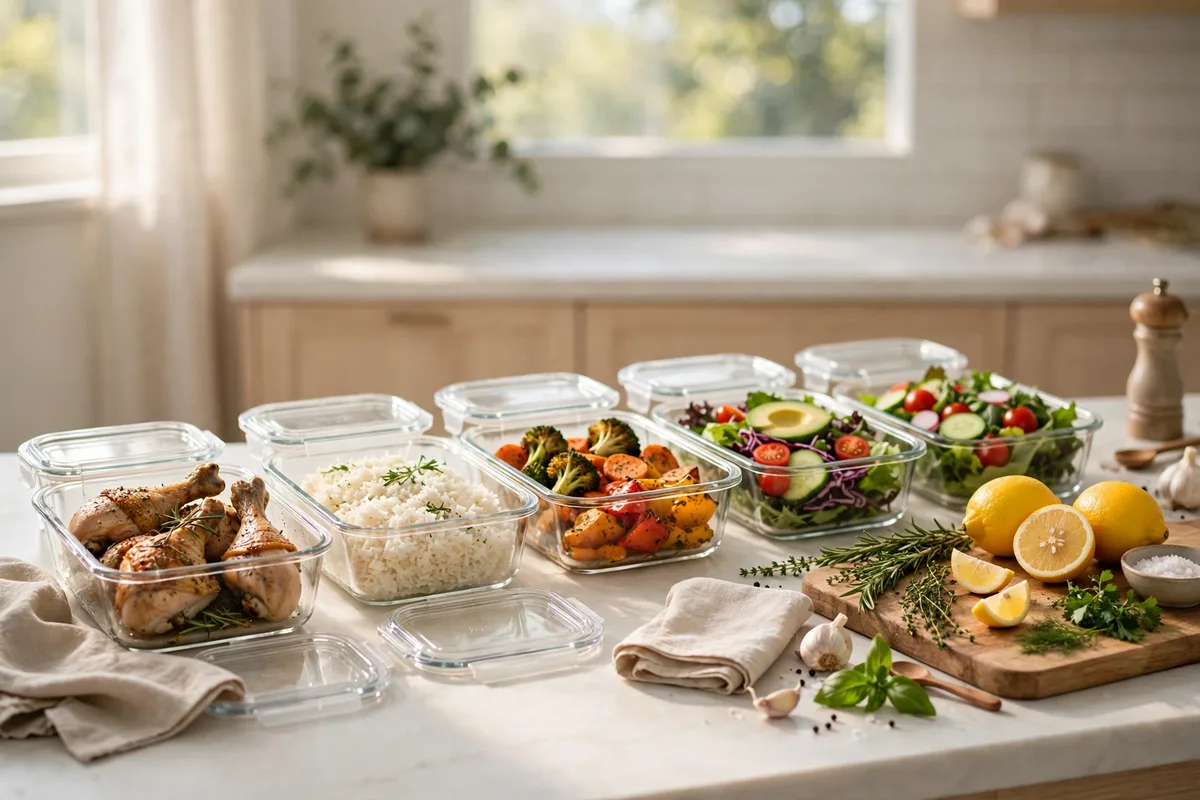
With the jar method, that same bunch is still usable the next weekend. The stems go into curries and salads all week, and any leaves left at the end can be frozen in oil before they turn. One purchase does two weeks of cooking, which is exactly the kind of small win that makes meal prep for beginners feel achievable rather than wasteful.
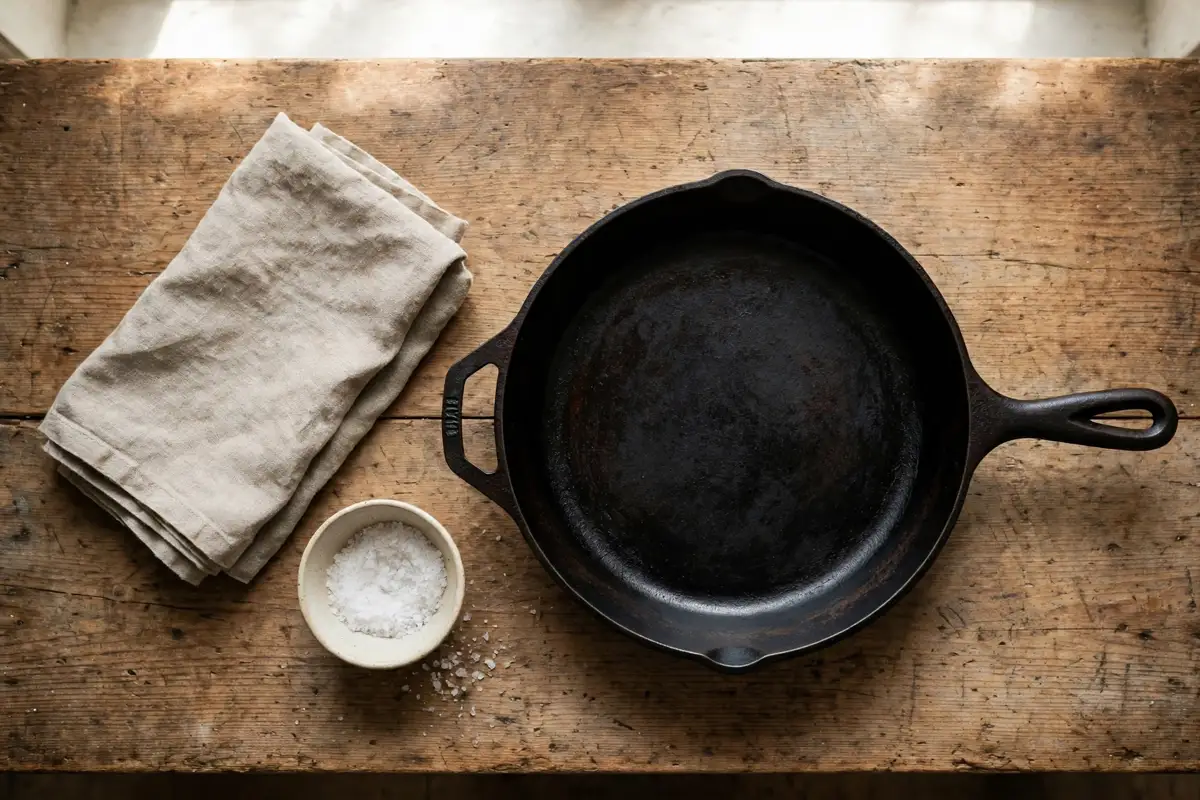
The same thinking applies to the tools you cook with. Looking after basics properly, whether that is herb storage or cast iron skillet care, stretches both your ingredients and your equipment much further.
How to Revive Herbs That Have Started to Wilt
Before you bin a droopy bunch, try the ice bath. Fill a bowl with cold water and a handful of ice, submerge the herbs completely, and leave them for fifteen to thirty minutes. Soft herbs in particular often perk back up as the leaves take in water again.
This rescue works on herbs that are wilted but not slimy or blackened. If the leaves feel slippery or smell off, they are past saving and belong in the compost, not the pan.
Once revived, use those herbs the same day. A bunch that has wilted once will not survive another week of storage, so cook with it that evening or freeze it in oil straight away.
Drying: The Backup Plan for Big Harvests
Gardeners and market shoppers sometimes end up with more herbs than any fridge method can handle. That is where drying earns its place. Tie hardy herbs like thyme, oregano and rosemary in small bunches and hang them somewhere warm, dry and out of direct sun for a week or two.
Soft herbs dry less well and lose more flavour, so freezing suits them better. Mint is the exception, since dried mint keeps a pleasant flavour for teas and dressings.
Store dried herbs in a sealed jar away from heat and light, and label it with the date. Home-dried herbs are best within about six months, after which they fade and are better replaced.
Keeping Herbs Fresh From Here On
Sort herbs into soft, hardy and basil the moment you unpack your shopping, and give each group its two-minute routine. That tiny habit is the whole secret to herbs that last for weeks instead of days.
For more kitchen and dining ideas, browse our guides to the best restaurants on the water, the Restaurant Matsu Maui menu and the best Mexican restaurants in Hernando, MS for your next meal out.