The best restaurants on the water are not defined by the view alone. A great waterfront restaurant should offer a combination of quality food, a comfortable setting, convenient access, appropriate service, and a location that allows diners to genuinely enjoy the surrounding water.
Across the United States and around the world, waterfront dining can range from casual seafood shacks and dockside restaurants to elegant oceanfront dining rooms. Recent restaurant guides highlight this variety, with waterfront experiences spanning oceans, rivers, bays, harbors, beaches, and marinas.
What Makes Restaurants on the Water Special?
A waterfront restaurant adds an environmental element to the meal. Instead of simply sitting inside a conventional dining room, guests may be able to watch boats move through a marina, see waves along the shoreline, enjoy a sunset over the water, or dine beside a river.
This setting can make waterfront restaurants particularly attractive for:
- Date nights
- Anniversaries
- Birthday dinners
- Family meals
- Business lunches
- Weekend brunches
- Vacation dining
- Special celebrations
- Casual outdoor meals
However, the experience varies significantly from one restaurant to another. A formal oceanfront dining room may offer a completely different atmosphere from a casual marina restaurant with outdoor seating.
Types of Restaurants on the Water
Oceanfront Restaurants
Oceanfront restaurants are among the most recognizable forms of waterfront dining. They may sit directly beside a beach, on a coastal bluff, or along a waterfront promenade.
The menu often includes seafood, coastal cuisine, grilled dishes, salads, pasta, steaks, and regional specialties. Outdoor patios can be especially appealing when the weather is comfortable.
Beachfront Restaurants
Beachfront restaurants generally offer a more relaxed atmosphere. Some operate directly on the sand or immediately beside a beach, while others are located along coastal roads with views of the shoreline.
These restaurants can work particularly well for casual lunches, sunset meals, family dining, and vacation evenings.
Marina Restaurants
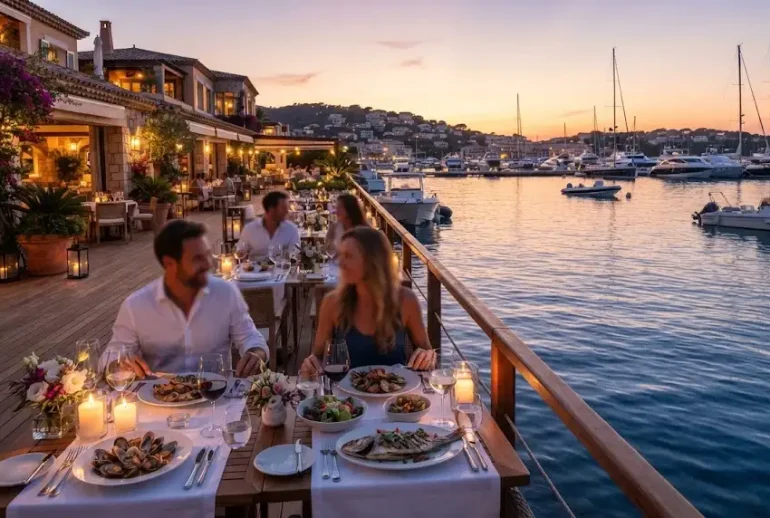
Marina restaurants offer views of boats, docks, and harbor activity. They can range from casual seafood restaurants to upscale dining destinations.
For boaters, some locations also offer dock-and-dine access. Miami’s official tourism guide, for example, distinguishes dock-and-dine restaurants where guests can arrive by boat from restaurants that simply provide waterfront views.
Riverfront Restaurants
Riverfront restaurants provide a different visual experience from oceanfront dining. Guests may see bridges, waterfront parks, boats, city skylines, or historic buildings along the river.
Riverfront dining can be especially attractive in urban areas where the waterfront forms part of the city’s identity.
Lakeside Restaurants
Lakeside restaurants are often associated with relaxed dining, outdoor patios, boating communities, and scenic landscapes. Depending on the location, diners may have views of mountains, forests, marinas, or open water.
Pier and Overwater Restaurants
Some waterfront restaurants extend directly over the water on piers or platforms. These settings can provide a stronger sense of being surrounded by water than a conventional restaurant beside the shoreline.
Overwater dining can be especially appealing for romantic dinners and special occasions, although access, weather, pricing, and reservations may require additional planning.
How to Choose the Best Restaurant on the Water
Choosing a waterfront restaurant should involve more than searching for the highest-rated location. Your ideal restaurant depends on the type of meal you want and how important the setting is.
Consider the View
Not every table in a waterfront restaurant provides the same experience. A restaurant may have excellent water views from an outdoor terrace while some indoor tables face away from the water.
If the view is important, ask about seating when making the reservation. Some restaurants specifically distinguish between waterfront, patio, terrace, window, and indoor tables.
Check the Menu
A beautiful location cannot compensate for food that does not match your preferences.
Before booking, check whether the restaurant specializes in seafood, American cuisine, Mediterranean dishes, Asian food, steaks, vegetarian options, brunch, or another style of cooking.
Waterfront dining is often associated with seafood, but restaurants on the water serve a much broader range of cuisines. Recent waterfront dining guides include everything from seafood and oysters to steaks, pasta, Asian cuisine, vegetarian dishes, and contemporary regional cooking.
Think About the Occasion
A casual waterfront café may be ideal for a family lunch but unsuitable for a formal anniversary dinner. Likewise, an upscale restaurant may not be the best choice for a quick meal after a day at the beach.
Match the restaurant’s atmosphere with the occasion before making a reservation.
Check Outdoor Seating
Outdoor seating can make a major difference to the waterfront experience. Patios, decks, balconies, and terraces may provide unobstructed views that are not available inside.
At the same time, outdoor dining is affected by weather, temperature, wind, and seasonal operating schedules.
Why Sunset Is Popular for Waterfront Dining
Timing can dramatically change the atmosphere of a waterfront meal. Sunset often provides natural light, changing colors, and reflections across the water.
For this reason, sunset reservations are frequently popular at coastal and waterfront restaurants. Current waterfront dining guides commonly emphasize timing and table position as part of the overall experience.
If you want a sunset meal, arrive early enough to settle in before the light changes and confirm the restaurant’s sunset-facing seating options in advance.
Waterfront Dining for Romantic Occasions
Restaurants on the water are naturally suited to romantic occasions because the setting can provide a relaxed and visually distinctive backdrop.
For a date night or anniversary, consider:
- Sunset seating
- Outdoor terrace tables
- Quieter sections of the restaurant
- Water-facing tables
- Special tasting menus
- Reservations during less crowded periods
- Restaurants with suitable lighting after sunset
Do not assume that every waterfront restaurant is romantic, however. Some are lively family destinations, sports-oriented venues, or casual dockside restaurants.
Waterfront Restaurants for Families
Families may prefer restaurants with casual menus, spacious seating, convenient parking, and outdoor areas where children can enjoy the surroundings.
Marina and harbor restaurants can be especially interesting for families because the setting often provides something to observe beyond the meal, including boats and waterfront activity.
Before visiting with children, check the menu, seating arrangement, noise level, parking, and operating hours.
Seafood at Waterfront Restaurants
Seafood remains strongly associated with waterfront dining because coastal and waterfront restaurants can highlight regional fish, shellfish, oysters, shrimp, crab, lobster, and other seafood dishes.
However, seafood quality should still be evaluated independently from the restaurant’s location. A waterfront view does not automatically mean that a restaurant specializes in freshly sourced seafood.
Look for menus that clearly describe their seafood offerings and, when relevant, identify seasonal or locally sourced ingredients.
Beyond Seafood: What Else Can You Eat?
One of the most useful things to remember about waterfront dining is that seafood is only one option.
Depending on the restaurant, diners may find:
- Steaks
- Burgers
- Pizza
- Pasta
- Salads
- Vegetarian dishes
- Asian cuisine
- Mediterranean cuisine
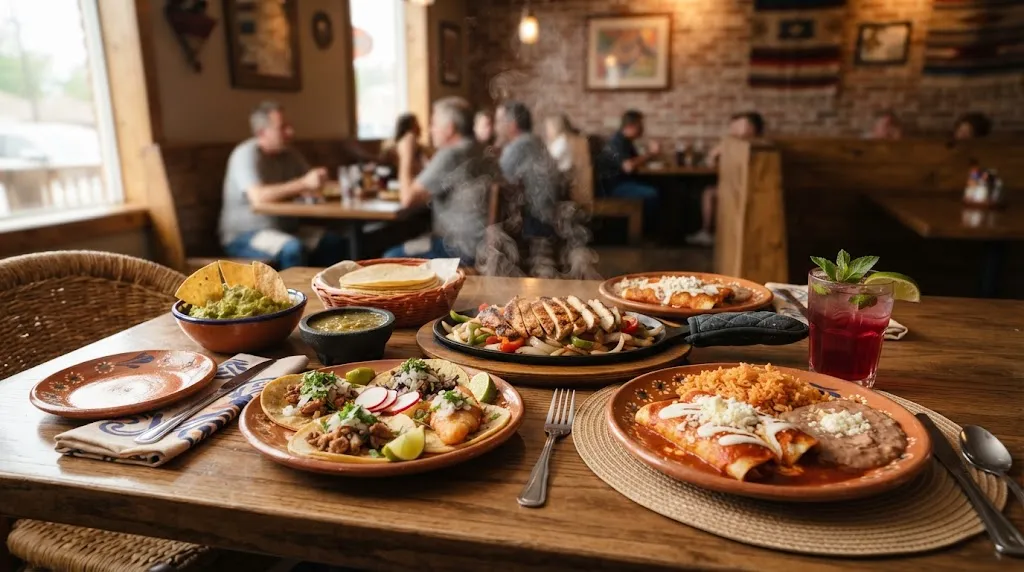
- Mexican-inspired dishes
- Brunch menus
- Desserts and specialty drinks
This variety makes waterfront dining suitable for groups with different food preferences.
Dock-and-Dine Restaurants
Dock-and-dine restaurants offer a particularly distinctive waterfront experience because guests can arrive by boat and then dine near the marina or waterfront.
This format is different from simply having a restaurant with a water view. A dock-and-dine destination may require boaters to understand docking arrangements, availability, marina procedures, and possible dockage fees before arriving.
Official Miami tourism information specifically identifies dock-and-dine as a category where guests can pull up by boat, while other waterfront restaurants in the region primarily provide scenic views without the same boating access.
Indoor vs. Outdoor Waterfront Dining
| Indoor Dining | Outdoor Dining |
|---|---|
| More protection from weather | Closer connection to the water |
| More consistent temperature | Often better open-air views |
| Usually quieter in some restaurants | Can provide a stronger sunset experience |
| Useful during extreme weather | Dependent on weather conditions |
| May offer large windows | May include patios, decks, piers, or terraces |
The better choice depends on the season, weather, time of day, and personal preference.
What to Check Before Making a Reservation
Before booking a restaurant on the water, check a few practical details:
- Restaurant location
- Waterfront seating availability
- Outdoor seating
- Reservation requirements
- Menu and cuisine
- Price range
- Parking
- Accessibility
- Weather policy
- Dress expectations
- Sunset timing
- Dock access if arriving by boat
These details can prevent disappointment, particularly when the main reason for choosing the restaurant is the water view.
Waterfront Dining and Special Events
Restaurants on the water can also work well for celebrations and group events. Waterfront spaces may provide an attractive setting for birthdays, anniversaries, rehearsal dinners, corporate meals, and other gatherings.
For a group reservation, ask about private rooms, outdoor areas, group menus, minimum spending requirements, seating capacity, and weather backup plans.
How to Get the Most From a Waterfront Restaurant Experience
A little planning can improve the overall experience.
- Reserve ahead: Popular waterfront tables can be in demand, particularly during weekends and sunset hours.
- Request the right table: If the view matters, specifically ask for a water-facing or outdoor table.
- Check the weather: Outdoor dining can change dramatically with wind, rain, or temperature.
- Arrive early: Extra time allows you to find parking, settle in, and enjoy the waterfront before dinner.
- Review the menu: Make sure the cuisine suits everyone in your group.
- Plan transportation: Some waterfront destinations have limited parking or busy access roads.
Waterfront Restaurants Around the United States
The United States offers many different waterfront dining environments. Coastal cities provide ocean and bay restaurants, while inland destinations feature rivers, lakes, reservoirs, and marinas.
For example, current restaurant guides cover waterfront dining in locations including Seattle, San Francisco, Miami, Long Beach, Sarasota, Charleston, and many other destinations.
This geographic variety means there is no single definition of the perfect waterfront restaurant. The right choice depends on whether you want an ocean sunset, marina atmosphere, river views, a quiet lakeside meal, or a lively dockside experience.
How Waterfront Restaurants Compare With Regular Restaurants
A conventional restaurant can focus almost entirely on food, service, atmosphere, and location. A waterfront restaurant adds another major component: the surrounding environment.
That additional experience can be a major reason people choose waterfront dining, but it also means diners should evaluate the restaurant as a complete experience rather than judging it only by the scenery.
A strong waterfront restaurant should still provide a menu, service level, and atmosphere that make sense even when the weather changes or the sun goes down.
Related Dining Experiences
Waterfront dining is only one way to make a restaurant visit memorable. Food-focused travelers can also explore specialty dining experiences and destination restaurants.
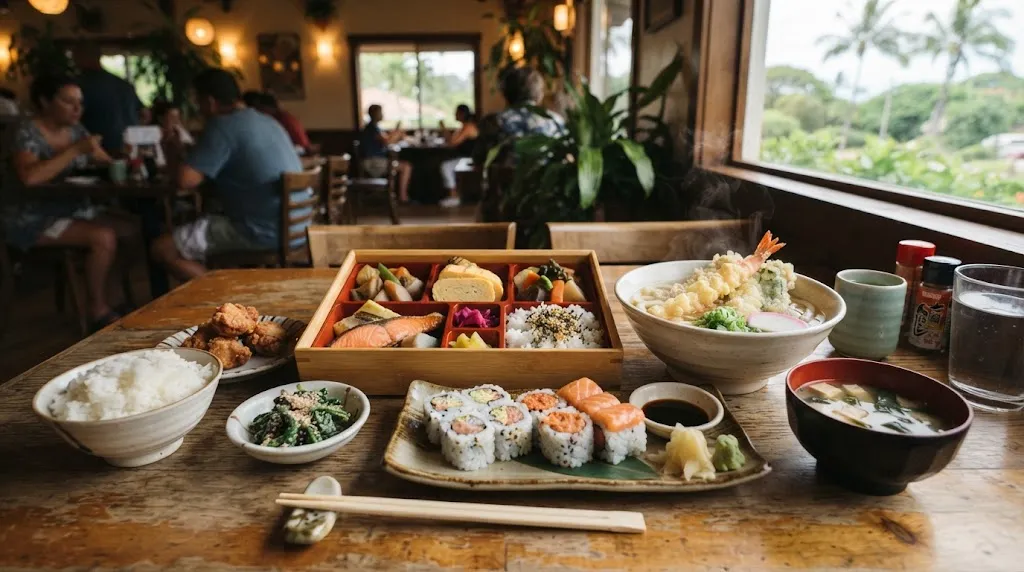
On NovasPath, related restaurant content includes the Restaurant Matsu Maui menu, Mexican restaurants in Hernando, Mississippi, Top Pot restaurant and hot pot dining, and McSwiggan’s Restaurant Galway.
Frequently Asked Questions
What are restaurants on the water?
Restaurants on the water are dining establishments located directly beside or above an ocean, lake, river, bay, harbor, marina, or other body of water. Some provide views while others offer patios, docks, piers, or overwater seating.
Are waterfront restaurants usually expensive?
Not necessarily. Waterfront restaurants range from casual seafood shacks and family restaurants to upscale fine-dining destinations. Pricing depends on the location, menu, service, and type of dining experience.
What is the best time to visit a waterfront restaurant?
Sunset is popular because the changing light can enhance the scenery, but the ideal time depends on the destination and the experience you want. Lunch can be better for bright views, while dinner can provide a different atmosphere after dark.
Should I reserve a waterfront table?
If the water view is important to you, reserving ahead and specifically requesting a water-facing table is sensible. Outdoor and sunset tables can be especially popular.
Do waterfront restaurants only serve seafood?
No. Many waterfront restaurants serve seafood, but menus can also include steaks, pasta, burgers, vegetarian dishes, Asian cuisine, Mediterranean food, brunch, and other options.
What is dock-and-dine?
Dock-and-dine refers to restaurants where boaters can arrive by water, dock nearby, and dine at the restaurant. Availability and docking arrangements vary by destination.
Final Thoughts
The best restaurants on the water combine a memorable setting with food and service that make the meal worthwhile. Whether you prefer an oceanfront dinner, a quiet lakeside lunch, a marina patio, a riverfront restaurant, or an overwater dining room, the experience can be very different from an ordinary meal.
The key is to choose the restaurant according to your actual priorities. Consider the cuisine, view, seating, occasion, budget, weather, accessibility, and timing before booking.
Most importantly, do not choose a waterfront restaurant for the view alone. A beautiful setting is most rewarding when it is paired with food and hospitality that make the entire experience worth remembering.
For more restaurant and dining guides, visit the NovasPath blog and explore the site’s growing collection of food and destination content.