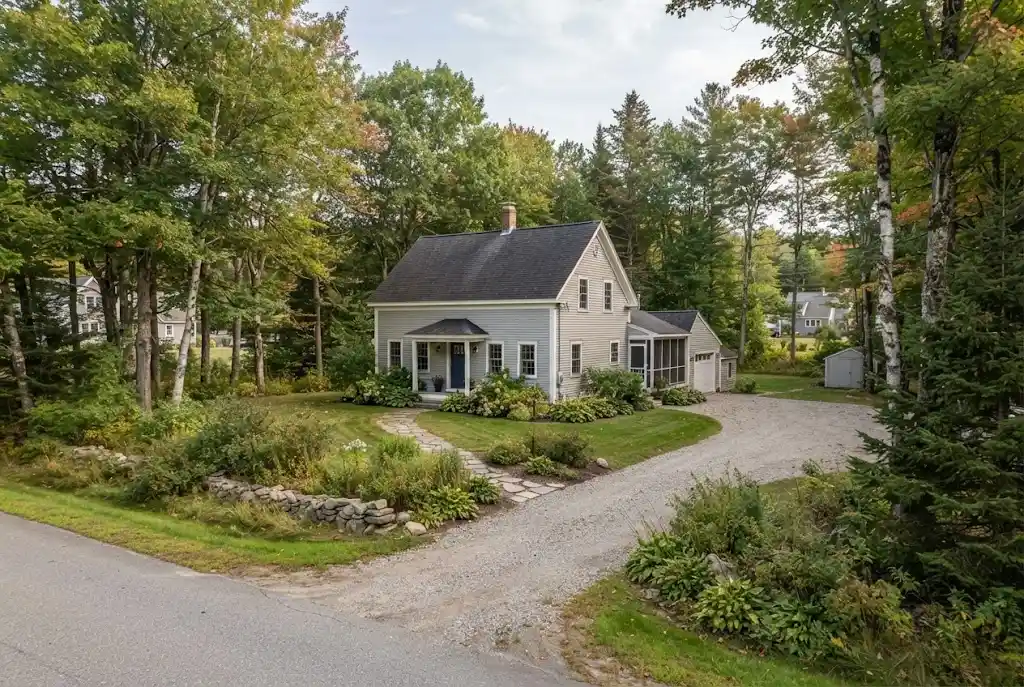
Buying your first home should feel exciting. For many first-time buyers, though, the excitement fades fast when the bills start arriving. A missed inspection, a rushed offer, or a budget that only counted the mortgage can turn a dream home into a money drain. The good news is that most first-time home buyer mistakes are easy to avoid once you know what they are.
This guide walks through seven mistakes that cost first-time buyers thousands of dollars, and the simple checks that prevent each one. Use it before you make an offer, not after.
1. Skipping the Home Inspection to Win the Bid
In a competitive market, waiving the inspection can make an offer look stronger. It can also hide a failing roof, old wiring, or a cracked foundation that costs $15,000 or more to fix. A standard inspection costs a few hundred dollars and takes about three hours. That is cheap insurance against a five-figure surprise.
Always attend the inspection yourself. Walk the property with the inspector, ask questions, and read the full report before you remove any contingencies. If the report flags a major system, get a specialist quote before you commit. A seller who refuses any inspection at all is telling you something, and it is worth listening.
Here is how this plays out in real life. A buyer in Ohio loved a 1960s ranch and was ready to waive the inspection to beat two other offers. Her agent talked her into a 90-minute inspection instead. The inspector found a cracked sewer line that would have cost about $12,000 to replace, and the seller agreed to fix it before closing. That one inspection saved her more than thirty times what it cost.
2. Budgeting Only for the Mortgage Payment
First-time buyers often run the numbers on the mortgage and stop there. The real monthly cost of a home is bigger. Property tax, homeowner insurance, private mortgage insurance, HOA dues, and basic maintenance all add up, and lenders do not always spell out the full picture.
A practical rule is to set aside one percent of the home price each year for maintenance. On a $300,000 home, that is $3,000 a year, or $250 a month. Add that figure to your monthly budget before you decide what you can afford, not after you move in. Our guide to small business bookkeeping basics covers the same record-keeping habits that keep a household budget honest, and they work just as well for a first home.
3. Emptying Your Savings for the Down Payment
A bigger down payment lowers your monthly bill, but it should never leave you with an empty bank account. New homeowners face moving costs, basic furniture, and at least one repair they did not expect in the first year. Buyers who drain every dollar for the down payment end up putting those costs on credit cards at high interest.
Keep an emergency fund of three to six months of expenses separate from your down payment. If reaching a 20 percent down payment would wipe out that cushion, a smaller down payment with mortgage insurance is often the safer choice. You can build equity over time, but you cannot build it while paying off credit card debt.
4. Getting Pre-Qualified Instead of Pre-Approved
Pre-qualification is a rough estimate based on what you tell a lender. Pre-approval means the lender has checked your credit, income, and debts. Sellers know the difference, and in a bidding war, a pre-approval letter carries far more weight.
Get pre-approved before you start touring homes seriously. It also protects you from falling in love with a home you cannot finance. Shop at least three lenders when you do it. Even a quarter-point difference in your rate saves thousands over the life of the loan, so a few extra phone calls are worth real money.
5. Falling in Love With the House, Not the Location
A beautiful kitchen can distract you from a long commute, a noisy road, or a school district that does not fit your plans. You can renovate a kitchen. You cannot move the house to a better street.
Visit the neighborhood at different times before you offer. Drive by on a weekday evening and again on a Saturday morning. Check the commute at rush hour, not at noon. Look at flood maps, crime reports, and future development plans for the area. Our local guides, like the Winterport real estate guide and the Bemus Point real estate guide, show how much local detail matters when you compare one market with another.
6. Ignoring Insurance Costs Until Closing
Home insurance is not a minor line item. In some areas, premiums have doubled in a few years, and a home near the coast or in a wildfire zone can cost far more to insure than a buyer expects. Some buyers only learn the real premium days before closing, when there is no time left to renegotiate.
Get an insurance quote for the specific property early, while you still have leverage. Ask about the roof age, since insurers charge more for older roofs, and check whether flood insurance is required. Our guide to Lions Gate Insurance explains how to compare cover before you commit, and the same questions apply to any homeowner policy.
7. Rushing the Offer Because of Pressure
Agents and sellers sometimes create urgency with phrases like “another buyer is about to offer” or “this will be gone by Monday.” Sometimes that is true. Often it is sales pressure. A rushed offer is how buyers skip inspections, overpay, and agree to terms they later regret.
Set your walk-away price before you tour a home, and write it down. Decide your top offer, your must-have conditions, and the defects you will not accept. When the pressure comes, your written limits do the deciding for you. A home is the largest purchase most people ever make. Taking one extra day to think is never the mistake. Rushing is.
What to Do Before You Make Your First Offer
Run through this short checklist with every home you consider. Get pre-approved, not just pre-qualified. Budget the full monthly cost, including tax, insurance, and maintenance. Keep your emergency fund intact. Attend the inspection and read the report. Get an insurance quote early. Research the neighborhood at different times of day. And set your walk-away price in writing before the pressure starts.
Each of these steps costs a little time. Skipping any of them can cost thousands. If you are comparing markets, start with our guides to Kinlin Grover real estate and Readfield Maine real estate to see how different areas stack up. Once you have the keys, our guide to choosing a moving company will help you plan a move without the last-minute scramble.