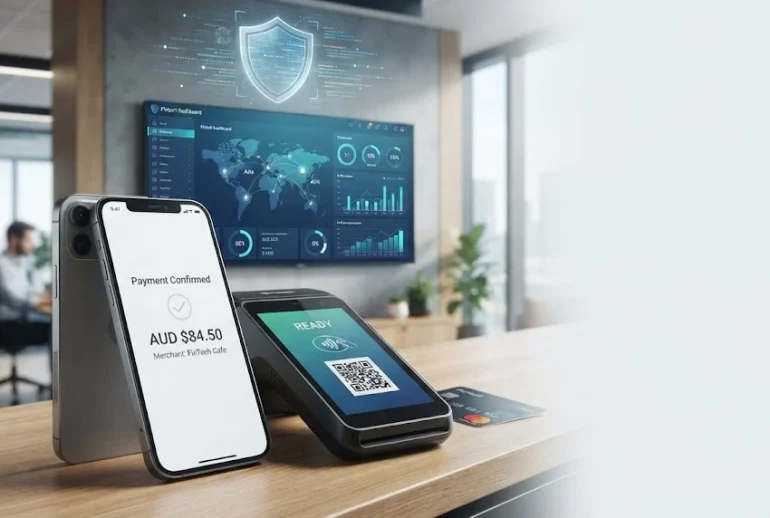
For businesses exploring technology-driven payment solutions, understanding how a provider approaches online payments, in-store transactions, settlement, security, and cross-border commerce is important. This guide explores the role of Supay Technology Pty Ltd, its payment technology capabilities, security approach, and the factors businesses should consider when evaluating a digital payment provider.
Readers interested in broader technology and business developments can also explore the NovasPath platform for additional insights across technology, business, finance, and digital transformation.
What Is Supay Technology Pty Ltd?
Supay Technology Pty Ltd is an Australian private company with its current main business location recorded in New South Wales. Public Australian business records identify the company as active, while company materials describe its business around payment technology and aggregated payment services.
The company has historically positioned its solutions around businesses that need to accept payments through digital and physical channels. Its public-facing materials have highlighted payment gateway technology, mobile payment solutions, merchant settlement, financial data management, and support for payment methods such as Alipay and WeChat Pay.
This positioning is particularly relevant to businesses operating in environments where customers may prefer different payment methods depending on location, device, currency, or shopping channel.
How Supay Technology Fits Into the Digital Payments Landscape
The payment industry is no longer limited to traditional card processing. Businesses increasingly need systems that can connect websites, mobile applications, physical stores, payment terminals, digital wallets, accounting processes, and settlement systems.
That broader shift is part of the same digital transformation affecting industries around the world. For a wider look at how established businesses approach modernization, see digital transformation in legacy markets.
Supay Technology’s historical product information reflects this multi-channel approach. Its solutions have included online payment gateways, mobile payment options, in-store payment tools, QR-based transactions, and POS integration.
For merchants, the practical advantage of this model is the ability to support customers through payment channels that fit their existing buying behavior rather than forcing every transaction into a single payment method.
Online Payment Solutions
Online checkout is one of the most important components of modern commerce. Customers expect payment processes to be straightforward, while merchants need transaction information to remain organized and accessible.
Supay Technology’s published online-payment information describes support for PC websites, mobile websites, shopping applications, and payment environments connected with Alipay and WeChat Pay. These options can help merchants serve customers across different digital touchpoints.
For an online business, a payment solution should be evaluated beyond the checkout button. Integration requirements, settlement procedures, transaction reporting, refund workflows, customer support, and security controls all influence the overall payment experience.
Businesses interested in the wider relationship between technology and commerce can also read about e-commerce growth and digital strategy.
In-Store and QR Payment Capabilities
Digital payment technology also plays an important role in physical retail. Customers increasingly expect businesses to support mobile wallets, QR payments, and convenient contactless experiences.
Supay Technology’s published materials describe in-store payment options that include merchant QR codes, smart devices, and POS terminal integration. These capabilities can give merchants multiple ways to accept digital payments while maintaining a connection between physical transactions and their broader payment operations.
QR payments can be particularly useful when merchants want a simple method for customers to initiate transactions using a mobile device. POS integration, meanwhile, can help businesses incorporate payment acceptance into an existing retail environment.
Cross-Border Payments and International Commerce
Cross-border commerce creates additional payment challenges. Businesses may serve customers from different countries, work with different payment ecosystems, and need reliable processes for transaction reconciliation and settlement.
Supay Technology has historically positioned its services around cross-border payment requirements, particularly for merchants operating between Australia and customers using Chinese payment platforms.
This makes the company’s payment model relevant to a broader discussion about international commerce. Businesses evaluating cross-border payment infrastructure should consider transaction currencies, supported payment methods, settlement timelines, fees, compliance responsibilities, fraud controls, and integration requirements before choosing a provider.
For another perspective on financial technology and international business expansion, explore this strategic fintech expansion guide.
Payment Settlement and Financial Data Management
Accepting a payment is only one part of the payment lifecycle. Merchants also need to know when funds are settled, how transactions are reconciled, and how financial information can be reviewed.
Supay Technology’s published product information describes settlement functionality alongside financial data management and account-monitoring capabilities. Its materials have also referenced automated service-fee calculation and multi-channel account checking.
These functions matter because payment operations can become complicated as transaction volumes increase. A merchant may need to reconcile orders against payment records, monitor settlements, identify discrepancies, and prepare information for accounting.
Businesses looking to improve their broader data-driven decision-making can also explore this guide to a data-driven digital strategy.
Security and Risk Management
Security is a central consideration whenever a business processes financial transactions. Payment providers must address issues such as unauthorized transactions, fraud, suspicious activity, data protection, and operational risk.
Supay Technology’s company materials describe the use of encryption, anti-money-laundering controls, anti-fraud measures, and security-focused infrastructure. These statements provide useful context, but businesses should still conduct their own due diligence and verify current licensing, compliance status, security documentation, and contractual responsibilities before adopting any payment service.
That distinction is important because security claims should always be evaluated against current documentation rather than marketing language alone. Payment technology changes quickly, and the compliance requirements applicable to a business depend on its location, products, customers, transaction types, and operating model.
For readers interested in technology more broadly, advanced sensing technology and innovation provides another example of how specialized technology can support modern business operations.
Why Payment Integration Matters for Businesses
A payment platform should not operate as an isolated part of a company’s technology stack. The best results come when payment data and workflows connect effectively with the systems a business already uses.
Depending on the business model, this can include e-commerce platforms, mobile applications, POS systems, accounting software, customer-management systems, inventory tools, and reporting dashboards.
Integration can reduce repetitive administrative work and make transaction information easier to analyze. However, the level of integration available depends on the specific provider, product, APIs, and merchant requirements.
This principle also applies to software businesses building modern products. Our guide to AI-native SaaS design trends explores how modern digital products increasingly connect multiple technologies into a single user experience.
Supay Technology and the Growth of Digital Commerce
The growth of e-commerce and mobile commerce has increased the importance of flexible payment infrastructure. Consumers may discover products through websites, social platforms, mobile applications, or physical stores and expect payment to work smoothly across those environments.
For merchants, this creates a need for payment systems that can support multiple channels without making financial administration unnecessarily complicated.
Supay Technology’s historical focus on aggregated payments, mobile payment services, settlement, and merchant technology reflects this broader industry direction. Its relevance should therefore be considered within the larger evolution of digital commerce rather than as a standalone payment trend.
For a broader technology perspective, readers can also explore latest technology developments and digital experiences.
How Businesses Should Evaluate a Payment Provider
Choosing a payment provider requires more than comparing transaction fees. Businesses should evaluate the complete payment lifecycle and determine whether the provider fits their operational and regulatory requirements.
1. Supported Payment Methods
Determine which cards, wallets, bank-based methods, QR systems, and regional payment methods are supported. A payment method is only valuable if it matches the preferences of the customers a business actually serves.
2. Integration Requirements
Review available APIs, SDKs, plugins, POS integrations, and technical documentation. The easier a provider is to integrate into the existing technology stack, the lower the potential implementation friction.
3. Settlement and Reconciliation
Understand settlement schedules, reporting tools, fees, refunds, chargebacks, and reconciliation processes. These details can have a direct impact on finance-team workload.
4. Security and Compliance
Ask for current information about security controls, merchant onboarding, fraud monitoring, data protection, and applicable regulatory obligations. Businesses should independently verify important compliance claims.
5. Scalability
A payment solution should be able to support the company’s expected transaction volume and geographic expansion. Scalability should include both technical capacity and operational support.
6. Customer and Technical Support
Payment failures can directly affect revenue, so businesses should understand how support works, what response times are offered, and which channels are available when a transaction issue occurs.
Supay Technology in the Broader Fintech Ecosystem
Fintech is becoming increasingly interconnected. Payment systems now sit alongside analytics, artificial intelligence, e-commerce, cybersecurity, customer data, and automation.
This creates opportunities for businesses to make payment infrastructure part of a broader digital strategy. Instead of treating payments as a final checkout step, companies can use transaction information to understand customer behavior, improve operations, and identify areas where friction affects conversions.
For businesses focused on measurable digital performance, benchmarking digital performance in financial services offers another useful perspective on measurement and optimization.
Similarly, businesses interested in technology-led operational improvement can explore information technology growth strategies and modern approaches to IT excellence.
Supay Technology and the Australian Market
Supay Technology Pty Ltd’s Australian presence is an important part of its identity. Australian business records list the company as an active Australian private company with a New South Wales business location.
Its historical company information describes operations beginning in Sydney and later expanding its presence across additional Australian locations. The company’s published payment solutions have also been designed around merchants that need to serve customers using international and mobile payment methods.
For businesses operating in Australia or serving Australian customers, this regional context can be important when assessing payment providers. Local business requirements, banking relationships, regulatory responsibilities, and customer payment preferences should all be considered before implementation.
What Makes a Modern Payment Experience Effective?
A strong payment experience is not simply about speed. It should also be understandable, reliable, secure, accessible, and appropriate for the customer’s preferred payment method.
From the merchant perspective, the payment experience should also connect to reliable settlement and reporting. When these components work together, businesses can reduce unnecessary friction between the customer’s purchase and the company’s financial records.
This is why payment technology increasingly overlaps with broader digital transformation. Companies adopting new financial infrastructure are often also modernizing their e-commerce systems, data processes, customer experiences, and internal technology.
Final Thoughts on Supay Technology Pty Ltd
Supay Technology Pty Ltd represents an example of how payment technology has evolved beyond traditional transaction processing. Its published materials highlight aggregated payment services, online and in-store payment options, mobile payment technology, settlement management, financial data tools, and security-focused controls.
For businesses considering a payment provider, the most important step is not simply identifying the most feature-rich platform. Instead, companies should evaluate payment-method coverage, integration requirements, settlement processes, security documentation, compliance responsibilities, customer support, and long-term scalability.
Supay Technology’s history in Australia’s digital-payment ecosystem makes it an interesting company to examine as cross-border commerce and mobile payments continue to evolve. However, businesses should verify current product availability, licensing, terms, pricing, and technical capabilities directly with the provider before making a commercial decision.
For more technology and business content, visit the NovasPath blog, where readers can explore additional articles covering technology, business strategy, digital transformation, fintech, and emerging digital trends.
Frequently Asked Questions
What is Supay Technology Pty Ltd?
Supay Technology Pty Ltd is an Australian private company associated with payment technology and merchant payment services. Its public materials describe solutions involving online payments, in-store payments, settlement, and mobile payment methods.
What payment methods has Supay Technology supported?
Published company information has highlighted payment solutions involving Alipay and WeChat Pay, along with QR-based and other digital payment options.
Does Supay Technology support online payments?
Yes. Its published product information describes online payment solutions for websites, mobile websites, shopping applications, and related digital payment environments.
Does Supay Technology provide in-store payment solutions?
Its published materials describe merchant QR codes, smart devices, and POS terminal integration for physical-store payment scenarios.
Is Supay Technology Pty Ltd an Australian company?
Yes. Australian government ABN records identify SUPAY TECHNOLOGY PTY LTD as an Australian private company with an active ABN and a New South Wales main business location.